
5 Ways the Makita 18V Multi Tool Will Save Your Next DIY Project
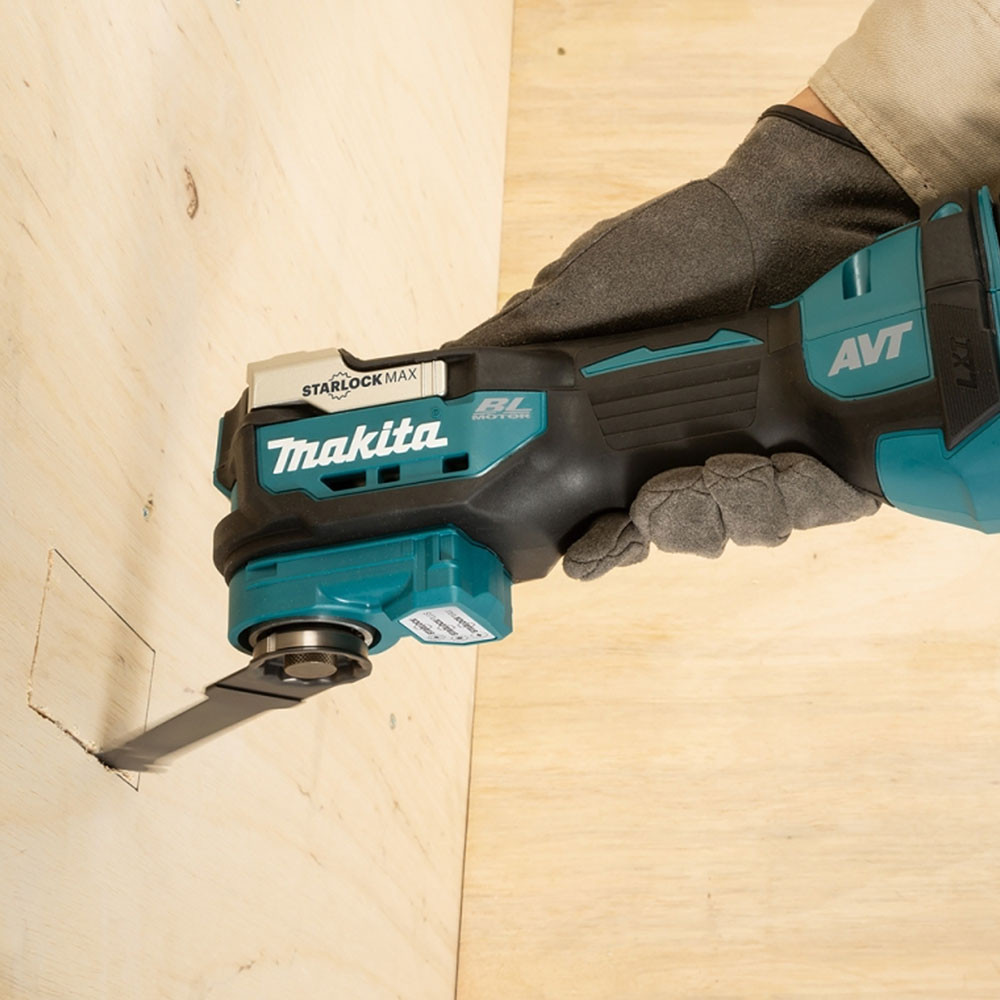
Every DIYer knows the moment. The job is going well, the tools are out, the kettle has gone cold, and then you hit the one cut your circular saw cannot reach. The jigsaw is too bulky. The sander is the wrong shape. The hand saw will technically do it, but only if you are happy to spend twenty minutes swearing at a door frame.
That is exactly where the Makita DTM52Z LXT 18V Brushless Multi-Tool earns its place. A Makita multi tool is not usually the first tool people buy. It is the tool they buy after one awkward flooring job, one messy plasterboard cutout, or one skirting board that refuses to come off cleanly.
The appeal is simple. A cordless multi tool gets into tight spaces, makes controlled plunge cuts, scrapes, sands, trims and tidies the sort of details that bigger tools are too clumsy for. It will not replace your circular saw, jigsaw or orbital sander, but when the job gets fiddly, it can save hours.
Here are five real DIY situations where a Makita multi tool 18v setup can turn a frustrating job into a clean one.
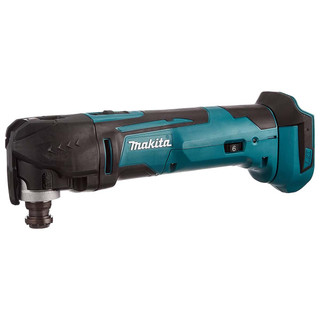
Makita Multi Tools
1. Undercutting Door Jambs for New Flooring
Laying laminate, engineered wood or solid flooring around an existing door frame is where many DIY jobs start to look a bit homemade. Trying to cut the flooring around the shape of the architrave rarely ends well. You usually get small gaps, awkward angles and a finish that draws the eye every time you walk through the doorway.
The better method is to cut the door lining and architrave instead, then slide the flooring underneath. This is one of the classic jobs for a multi tool.
Take a scrap piece of the new flooring and lay it flat against the door frame. If you are using underlay, include that too, so your height is right. Rest the blade of your Makita multi tool flat on top of the scrap piece and make a careful plunge cut into the architrave. The blade follows the exact finished height of the floor, which means the board can slip underneath neatly.
A plunge cut blade such as the Makita B-64858 Starlock Plunge Cut Saw Blade 32mm is a good fit for this sort of controlled wood cut. The trick is not to force it. Let the oscillating action do the work, keep the blade flat and check the cut as you go.
The result is a much neater doorway. No fussy scribing around curves, no messy filler, no visible mistake every time the light catches the floor.
2. Flawless Plasterboard Cutouts for Electrical Boxes
Cutting plasterboard for a new socket or switch can be irritating. A manual jab saw works, but it can tear the face paper, leave ragged corners and create a surprising amount of dust. One slip and the hole ends up too wide for the back box to sit neatly.
A Makita multitool makes the job more controlled. Mark the outline of the electrical box, start with the tool at a steady speed and use a plunge blade to cut each side of the rectangle. Because the tool oscillates rather than spins, it is easier to stop exactly at the corner rather than overshooting the line.
That matters when you are fitting dry lining boxes. A clean, square hole gives the lugs something solid to grip, and it saves the usual patching around the edges afterwards. It also helps when you are working near studs, pipes or existing cables, because you can take shallow, careful passes rather than hacking blindly into the board.
For DIY work, this is one of those small improvements that changes the feel of the whole job. The cut looks deliberate. The box sits properly. The faceplate covers the opening without needing a rescue mission with filler.
3. Slicing Through Hidden Nails and Fasteners
Old skirting boards, bits of framing and fitted timber rarely come apart politely. You start with a pry bar, things move a few millimetres, then stop dead. Somewhere behind the timber there is a nail, screw or fixing that nobody can see and nobody can pull.
This is where a bi-metal blade pays for itself quickly.
Fit a blade such as the N-Durance MULTIM44X5 Bi-Metal Multi-Tool Blade 44mm, slide it behind the skirting board or into the joint, and cut through the hidden fixing. Instead of levering harder and damaging the plaster or splitting the timber, you remove the one thing holding the piece in place.
This is especially useful if you want to reuse the timber. Skirting boards, trims and old framing can be surprisingly fragile once they have been painted over a few times. A heavy pry bar can chew the edges, crack the plaster and leave more repair work than the original job required.
A Makita multi tool 18 volt body gives you the cordless freedom to move along the wall without fighting a cable. That sounds minor until you are kneeling in a narrow hallway with dust sheets, old nails and half a dozen tools around you.
4. Detail Sanding in Tight Corners
A random orbital sander is brilliant on flat areas, but it is the wrong shape for internal corners. It cannot get into the back corner of a cabinet, the inside edge of a stair tread, or the tight corner of a window frame. You either finish by hand, or you leave the corner looking rough.
Attach a triangular sanding pad and the multi tool becomes a detail sander. The Makita B-65115 Starlock Sanding Pad for Multi-Tool has the pointed shape needed to reach into corners that round sanders miss.
The key difference is the movement. A round sander spins or orbits, which makes it awkward near an edge. A multi tool oscillates, so it can work right up to a 90-degree corner with more control. That makes it useful for preparing painted trim, smoothing filler, tidying small repairs and keying surfaces before repainting.
It is not the tool for sanding a whole tabletop. Use the right sander for large flat areas. But for little corners and awkward edges, the Makita all purpose tool reputation makes sense. It solves the small finishing jobs that otherwise slow everything down.
5. Removing Stubborn Grout or Caulk
Old grout and hardened silicone are two of the least enjoyable things to remove by hand. Grout scrapers work, but they take patience. Silicone can come away in strips if you are lucky, or in tiny rubbery pieces if you are not.
With the right accessory, a multi tool changes the job completely. A carbide grit attachment such as the Faithfull FAIMFTC65F Carbide Grit Finger Grout Remover 65mm can be used to work along grout lines without having to scrape everything by hand. The aim is control, not brute force. Keep the tool steady, stay in the grout line and let the accessory grind the material away gradually.
For silicone, old adhesive or paint residue, swap to a scraper blade such as the Faithfull FAIMFSCR52 Flexible CRV Scraper 52mm. It is the sort of attachment that turns a blister-inducing scraping job into something far more manageable.
Bathrooms, kitchens and utility rooms are full of these awkward materials. Around baths, shower trays, tiled splashbacks and worktops, the cordless Makita multi tool lets you work carefully without dragging a mains lead across the room.
The Verdict: Why a Makita Multi Tool Belongs in the Box
A multi tool is not glamorous. It is not the tool you show off first. But it is often the one that saves the finish.
The reason a Makita DTM51Z LXT 18V Multi Tool or the brushless Makita DTM52Z LXT 18V Brushless Multi-Tool is so useful is not that it does one job better than everything else. It is that it does several awkward jobs well enough to keep a project moving.
It undercuts door frames, trims plasterboard, cuts hidden fixings, sands tight corners, removes grout and scrapes old sealant. For finishing work, repairs and light demolition, that versatility is hard to beat.
If you already own Makita tools on the 18V LXT platform, a body-only Makita multi tool is an especially sensible addition. It shares the cordless convenience you already use, and it fills the gap between your main saws, sanders and hand tools.
FAQ
Is a Makita multi tool worth it for DIY?
Yes, especially if you do flooring, decorating, kitchen repairs, bathroom work or general home renovation. A Makita multi tool is most useful when standard tools are too large, too aggressive or the wrong shape for the job.
What jobs can a Makita multi tool 18v handle?
A Makita multi tool 18v can handle plunge cutting, trimming, scraping, detail sanding, grout removal and small demolition jobs, provided you use the correct accessory for the material.
Is a Makita multi tool 18 volt the same as an 18V LXT model?
In normal shopping terms, yes. When people say Makita multi tool 18 volt, they are usually referring to a Makita 18V LXT cordless multi tool. Always check the exact product page to confirm whether you are buying a body-only tool, a kit, batteries or a charger.
Can a Makita multitool cut nails?
Yes, with the right blade. Use a bi-metal multi tool blade for nails, screws, bolts and mixed wood or metal work. Do not use a clean wood blade for hidden fixings, as it will blunt quickly.
Can I use a Makita all purpose tool for sanding?
Yes, but mainly for detail sanding. Fit a triangular sanding pad and use it for corners, trims, stair edges, cabinet interiors and small repairs. For large flat surfaces, an orbital sander is still the better tool.
What makes a multi tool Makita setup useful if I already own Makita tools?
If you already use Makita tools on the 18V LXT battery platform, a compatible body-only multi tool can slot into your existing kit. That means fewer chargers, fewer battery types and a tool that covers the awkward jobs your main saws and sanders cannot reach.
FAQ
What is the Toolden Fix Builder?
The Toolden Fix Builder is a dedicated way to shop screws, nails, fixings, fasteners, nuts, bolts and washers from one focused place. It is designed to make buying fixings quicker, clearer and easier, especially when you need more than one product for the same job.
How do I use the Toolden Fix Builder?
Start by opening the Fix Builder, then choose the type of fixing you need for the job. From there, you can compare the available options, check sizes and pack quantities, add the right products to your basket and continue building your order before checkout.
What types of fixings can I buy through Toolden?
Toolden stocks a wide range of screws, nails and fixings, including wood screws, decking screws, drywall screws, masonry screws, collated screws, gas nails, gasless nails, wall plugs, cavity fixings, frame fixings, rivets, bolts, nuts and washers.
Is the Fix Builder only for trade users?
No. The Toolden Fix Builder is useful for both trade and DIY buyers. Tradespeople can use it to stock up for site work, van stock or workshop supplies, while DIY users can use it to find the right fixings for home repairs, decking, fencing, shelving, plasterboard work and general projects.
Can I buy screws, nails and fasteners in the same order?
Yes. One of the main benefits of the Fix Builder is that it helps you build a mixed fixing order in one place. You can add screws, nails, fixings and fasteners, plus nuts, bolts and washers to the same basket.
Why should I use the Fix Builder instead of searching manually?
Manual searching works if you know the exact product you need. The Fix Builder is better when you are ordering several fixing types, sizes or pack quantities at once. It keeps the buying process more organised and helps reduce the chance of missing an essential box of screws, nails, plugs or washers.
What fixings should I choose for timber work?
For general timber jobs, start with woodscrews or timber screws. For outdoor timber projects such as decking, fencing and garden structures, decking screws are usually the better category to check.
What fixings should I choose for masonry or concrete?
For masonry and concrete work, look at masonry and concrete screws, wall plugs, frame fixings and hammer fixings. The right choice depends on the material, load and type of installation.
Is the Toolden Fix Builder good for bulk buying?
Yes. The Fix Builder is well suited to larger fixing orders because it makes it easier to build a complete basket. That is useful when topping up van stock, ordering site consumables, preparing for a project or buying several sizes of screws, nails and fasteners at once.
Where can I start using it?
You can start building your fixing order directly through the Toolden Fix Builder. Choose the fixings you need, add them to your basket and check your order before completing checkout.
Need some help with your order? Our new help centre has a wide range of helpful articles and guides!
If you have any additional queries, please do not hesitate to contact us below: