
Content Outline: Circular Saw vs Mitre Saw vs Table Saw
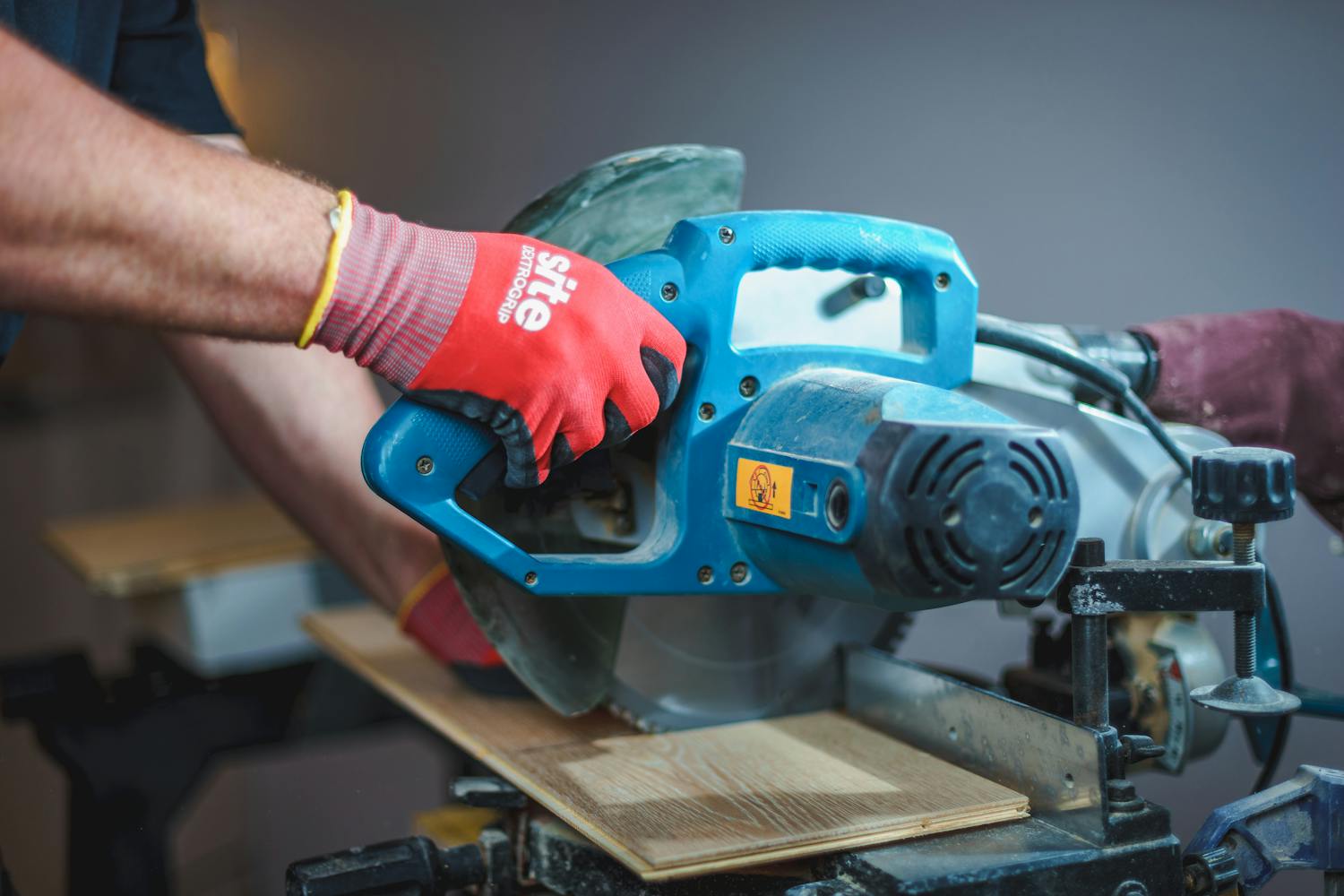
It depends. That may sound like a frustrating answer, but it is the right one. A circular saw, a mitre saw and a table saw all cut timber with a circular blade, yet they are built for very different jobs. If you are comparing circular saws, mitre saws and table saws, the best choice comes down to the way you work, the material you cut most often, and the amount of space you have.
In short, a circular saw is the best tool for all kinds of jobs. A mitre saw is the best tool for making quick, precise angle and crosscuts. A table saw is the best machine for ripping, making the same cut over and over, and doing batch work. The key to knowing when to use a mitre saw instead of a circular saw is to match the saw to the job, not to look for one machine that can do everything equally well.
If you want to browse the main categories while reading, start here: circular saws, cordless circular saws, mitre saws and table saws.
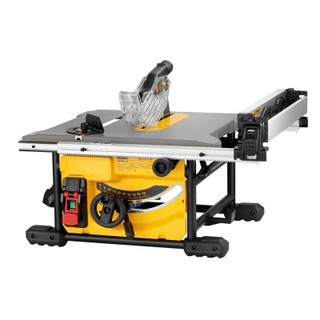
Table Saws
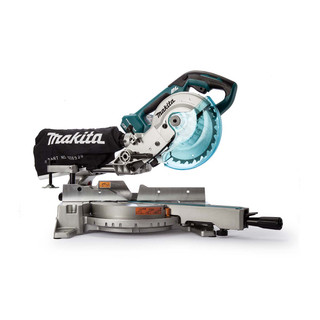
Mitre Saws
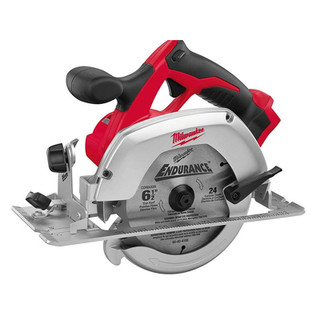
Circular Saws
Understanding the Core Differences
| Feature | Circular Saw | Mitre Saw | Table Saw |
|---|---|---|---|
| Primary Function | Versatile straight cuts and rough breakdown work | Precision crosscuts and angled cuts | Ripping and repeatable straight cuts |
| Portability | High, handheld | Medium, bench or stand mounted | Low, heavier and more workshop based |
| Best For | Framing, sheet goods, outdoor jobs | Trim, moulding, skirting, 2×4 crosscuts | Furniture, cabinetry, long rip cuts |
| Cut Direction | Moves tool to wood | Moves blade into wood | Moves wood into blade |
| Accuracy | Moderate, setup dependent | High, fixed arm and fence | Very high, fence based |
| Footprint | Small | Moderate | Large |
The Circular Saw: The Portable Powerhouse
A circular saw is the kind of saw you use to cut things. That is its best feature. A circular saw is usually the best tool for trimming a door, cutting decking outside, breaking down sheet goods in the driveway, or working in a tight space. Because it is so easy to store, it is also one of the first serious saws that many DIYers buy.
A circular saw can rip boards, crosscut framing timber, bevel edges, and cut down plywood much better than most people think if you use the right blade and a good straight-edge guide. It won’t be as good at making repeat cuts as a table saw or quick angle cuts as a mitre saw, but it can handle a lot of real work with very little setup. If portability matters most, browse our circular saws or cordless circular saws. Popular ranges from DeWalt, Makita and Milwaukee are especially common for trade and site work because they combine compact size with enough power for everyday cutting.
The Mitre Saw: The Master of Precision Angles
The main thing that a mitre saw is made for is making fast, neat, and repeatable crosscuts. The blade drops on a controlled arc while the workpiece stays against the fence. This makes it perfect for flooring, skirting, architrave, studwork, coving, and general trim carpentry. If you often need to cut wood to length instead of width, a mitre saw often seems like the fastest and cleanest way to do it.
This fixed movement is what makes mitre saws so popular with both new and experienced users. They make 90-degree cuts and 45-degree mitres a lot easier to do, especially when you’re working with a lot of the same pieces. If that sounds like how you work, check out Toolden’s mitre saws.
The Table Saw: The Workshop Anchor
A table saw reverses the process. Instead of moving the tool through the cut, you move the timber into a fixed blade. That sounds like a small difference, but in practice it changes everything. A table saw is built for controlled ripping, repeated sizing and workshop efficiency. If you make shelves, cabinets, drawers, furniture parts or repeat cuts in volume, a table saw becomes the centre of the shop very quickly.
The real strength of the table saw is its fence. Once set, it allows you to rip multiple pieces to the same width with excellent consistency. That is why furniture makers and cabinet builders value it so highly. If your projects lean towards workshop-based accuracy, take a look at Toolden’s table saws.
Difference Between Circular and Miter Saw
The biggest difference between circular and miter saw tools is control. A circular saw is hand-guided, flexible and mobile. A mitre saw is fixed, supported and purpose-built for crosscuts and angles. One gives you freedom. The other gives you built-in precision.
That is why the question is rarely which saw is better in general. The real question is which saw is better for the cut in front of you. A circular saw is stronger when the material is large, awkward or already in position. A mitre saw is stronger when the material is manageable and the finish of the cut matters more than the saw’s portability.
Portability and Footprint
A circular saw wins on storage, transport and convenience. It can live in a van, on a shelf or in a compact kit. It comes out when the workpiece is too big to carry or when the job is happening outside the workshop.
A mitre saw is portable compared with a table saw, especially on a folding stand, but it still needs a work surface and enough side support for long lengths. That makes it less convenient for quick grab-and-go cutting, but far more comfortable for repeated trim work once set up properly.
Accuracy and Cut Type
For straight, rough, guided or site-based cuts, the circular saw often makes more sense. For neat repeated crosscuts, compound angles and trim work, the mitre saw is the clear winner. If you are fitting skirting or cutting dozens of battens to length, the fixed path of the mitre saw saves time and improves consistency. If you are trimming sheet material or cutting down long boards outdoors, the circular saw is usually the more practical tool.
Difference Between Circular Saw and Table Saw
These two overlap more than people expect because both can rip timber effectively. The difference is not whether they can do the cut, but how they do it. A circular saw is a handheld solution that works well when the material is large or difficult to move. A table saw is a fixed solution that excels once the work is small enough and the workflow is repetitive enough to benefit from the fence.
Handling Large Sheet Goods
For a single person handling full sheets of plywood, OSB or MDF, a circular saw is often the easier and safer first step. You can support the sheet, mark your line and run the saw across the material. You are not trying to balance and push a full panel across a compact table, which can be awkward in small spaces.
That does not mean a table saw cannot handle sheet goods. It can. But it generally becomes more comfortable when there is enough room for infeed and outfeed support, and when the sheet has already been broken down to a more manageable size. For many users, the circular saw does the first stage and the table saw does the fine sizing later.
Repeatability and Speed
This is where the table saw clearly pulls ahead. Once the fence is set, it is built for repeated identical cuts. Drawer parts, shelves, rails, edging strips and cabinet components are all faster to produce when the machine does the guiding for you. A circular saw can absolutely make accurate rip cuts with care and a guide, but it demands more measuring, more setup and more attention on every single cut.
Difference Between Mitre Saw and Table Saw
The most useful way to compare these two is to think in terms of crosscutting and ripping. A mitre saw is a crosscut specialist. A table saw is a rip specialist that can also crosscut with the right accessory and enough setup. Both are accurate, but they shine in different workflows.
The Limitation of the Mitre Saw
A mitre saw cannot rip long boards safely or efficiently. It is designed to cut across the width of the workpiece, not along the length. In practical terms, that means it is excellent for cutting a board shorter, but it is the wrong choice for making a board narrower. Its capacity is also limited by blade size and slide travel, so once boards get too wide the saw reaches its natural limit.
Versatility of the Table Saw
A table saw can crosscut with a mitre gauge or sled, and with the right setup it can handle a wide range of accurate workshop cuts. The trade-off is that it usually needs more room, more support and more preparation than a mitre saw for simple length cuts. If your work is mostly trim and framing stock, the mitre saw feels faster. If your work is mostly timber preparation and furniture parts, the table saw is the more versatile long-term machine.
When to Use a Miter Saw vs Circular Saw vs Table Saw
Choose the saw that fits the workpiece, not the one that sounds most capable on paper.
Choose a circular saw when you need:
- To break down plywood, OSB, MDF or other large sheet goods
- To work outdoors, on site, on a driveway or in a room where the material is already in place
- To cut framing timber, decking, fencing or doors
- A portable saw that stores easily and handles a wide range of DIY tasks
- A sensible first purchase for general home projects
Choose a mitre saw when you need:
- Fast, accurate crosscuts
- Clean mitres for skirting, architrave, coving and frames
- Repeated cuts to the same length
- A beginner-friendly saw for trim and construction timber
- Quick setup for flooring, studwork and finish work
Choose a table saw when you need:
- Repeatable rip cuts
- Furniture and cabinet parts cut to consistent widths
- Thin strips, shelf parts, rails and batch work
- A central workshop machine for timber preparation
- Maximum efficiency in a dedicated workspace
In real terms, use a circular saw for demolition prep, cutting 2x4s outside, trimming sheet material and general-purpose site work. Use a mitre saw for skirting, flooring, coving, picture frames and any job where quick, neat crosscuts matter. Use a table saw for furniture making, cabinetry, ripping hardwood and repeated workshop cuts where consistency is everything.
Comparison Factors
Cutting Capacity and Depth
Each saw has limits that matter. Circular saws are flexible and easy to position, but cut depth depends on blade size and model choice. Mitre saws are excellent within their crosscut range, but they are restricted by blade diameter and slide travel. Table saws handle wide ripping and repeated sizing more efficiently, though large sheet goods still require enough surrounding space to manage safely.
Ease of Use for Beginners
For many first-time users, a mitre saw feels the most approachable because the work rests against a fence and the blade path is fixed. A circular saw has a broader learning curve because support, guiding and body position matter more, but it is also more affordable and more adaptable for general DIY. A table saw can be incredibly rewarding, though it usually asks the most from the user in terms of setup, feed technique and cut planning.
Safety Considerations
All three tools deserve proper respect. Circular saws demand good support and stable handling, because poor setup can cause binding or wandering cuts. Table saws require particular care because kickback can happen quickly if the work twists, pinches or is fed poorly. Mitre saws feel more controlled thanks to the fixed cutting path, but hand placement and support still matter on every cut. Safe technique is always more important than confidence.
Which Saw Should You Buy First?
If you are buying your first saw, start with the one that matches the jobs you will actually do most often over the next few months.
For general DIY, home repair, garden jobs and mixed site work, a circular saw is usually the smartest first buy. It is compact, versatile and relatively easy to justify because it covers so many situations. If portability matters most, start by browsing circular saws or cordless circular saws.
For trim, flooring, skirting and repeated crosscuts, buy a mitre saw first. It is faster and more accurate for finish work, and it keeps that workflow simple. If that is where your projects sit, head straight to mitre saws.
For furniture, cabinetry and workshop-based woodworking, a table saw often makes the most sense as a first major investment, provided you have the room for it. If your projects rely on rip cuts and matching parts, it solves problems the other two saws solve less efficiently. In that case, look at table saws.
If budget is tight and your projects are varied, the safest recommendation is usually this: buy a circular saw first, then add a mitre saw or table saw once your work becomes more specialised.
FAQs
Can a circular saw do everything a miter saw can?
Not efficiently. A circular saw can make many of the same straight cuts with the right guide, but it is slower and more dependent on user setup. A mitre saw is still better for quick, repeatable crosscuts and clean angle cuts.
Is a table saw better than a circular saw for ripping plywood?
In a well-set-up workshop, yes. A table saw is faster and more repeatable. For one person handling full sheets, though, a circular saw is often easier to manage and is usually the better first cut before fine sizing.
Do I need both a miter saw and a table saw?
Not always, but they complement each other well. A mitre saw handles quick crosscuts and angles, while a table saw handles ripping and repeated sizing. If you do both trim work and furniture work, having both makes sense.
Which saw is the most dangerous for a novice?
Any saw can be dangerous if it is used badly, but table saws demand the most caution because kickback can be severe. Circular saws also need careful support and handling. Mitre saws often feel easiest for beginners, but safe technique still matters every time.
Need some help with your order? Our new help centre has a wide range of helpful articles and guides!
If you have any additional queries, please do not hesitate to contact us below: