
Mitre Saw vs Chop Saw: Which One Do You Actually Need?
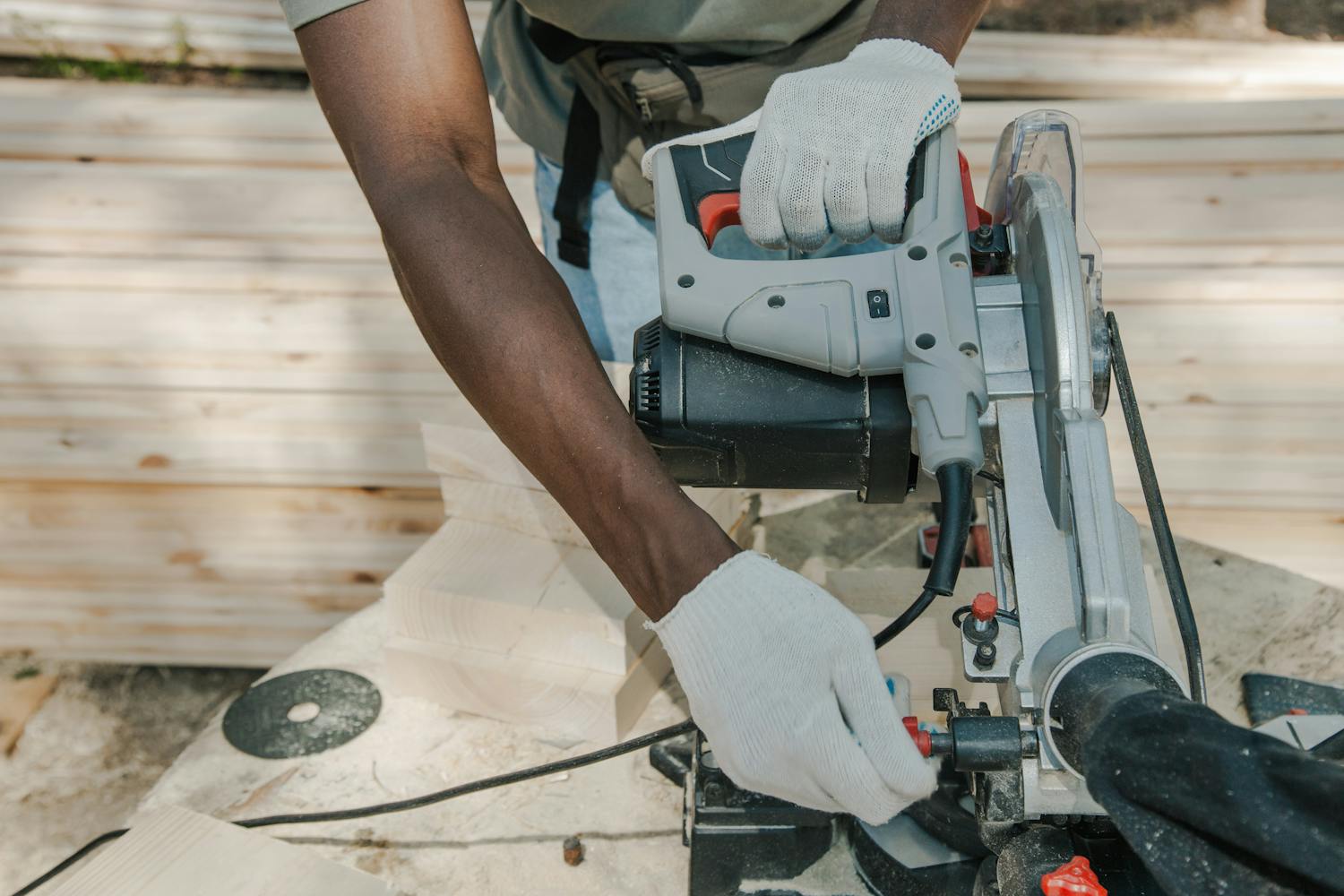
From a visual standpoint, chop and mitre saws can easily be mistaken for one another, as both saws bring a circular blade down on to a workpiece through a hinged swinging arm.
This mistaken identity is not due to a similar appearance. Rather, it is a misunderstanding of the different types of construction each saw is meant to perform. Mitre saws are construction saws for wood and trim that require more precise cuts, such as angled cuts, while chop saws (or cut-off saws) are more for rapid and rough cuts across a wider variety of materials (including metals and masonry) where a perfect cut is not as important. We have divided its own category pages accordingly, with mitre saws focused on angle accuracy and features such as sliding mechanisms, laser or shadow-line guidance, and dust collection, while chop saws and cordless cut-off saws are presented around metal, masonry, portability, cutting capacity, and tougher site use.
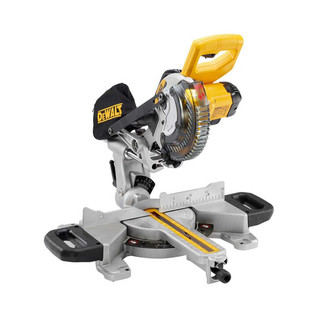
Mitre Saws
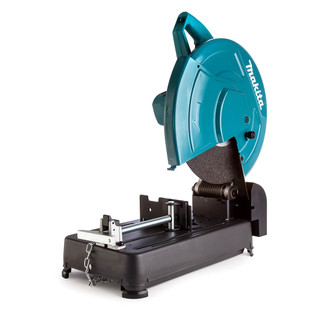
Chop Saws
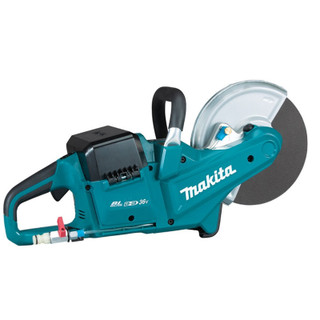
Cordless Cut Off Saws
Understanding the Core Differences
Prior to feature comparison, we recommend approaching this as a timber vs metal issue first. There are exceptions, particularly in multi-material products, but for the majority of trade and serious DIY purchasers, the divide is still clear.
| Feature | Mitre Saw | Chop Saw / Cut-Off Saw |
|---|---|---|
| Primary material | Wood, plastic, trim, sheet goods, light composites | Metal, rebar, angle iron, steel stud, pipe, and in some cases masonry |
| Blade type | TCT toothed blade for clean slicing | Abrasive disc, metal-cutting blade, or diamond blade depending on application |
| Cut accuracy | High, suited to joinery and finish carpentry | Usually lower, suited to structural and rough cutting |
| Angle versatility | Mitre, bevel, and compound cuts | Usually straight cuts, with some limited 45° work |
| Finish quality | Clean and assembly-ready | Often needs deburring or clean-up |
| Waste produced | Sawdust and chips | Sparks, hot swarf, or mineral dust |
| Typical priority | Precision and repeatability | Durability, speed, and material resistance |
That table is a guide to the typical buyer decision, not a universal rule. Multi-material saws, especially in the Evolution range, sit in the overlap.
The Mitre Saw: The Woodworker’s Precision Tool
When precision is essential at the first attempt, a mitre saw is appropriate. This saw can be used for skirting boards, architraves, stud timber, decking trim, flooring, shelving, and clean fit-ups. We offer a range of mitre saws with core features including bevel adjustment, sliding rails, laser or shadow-line guidance, and dust collection. These features highlight control, angle accuracy, and clean finish – the essence of a mitre saw.
If you want to browse live options, start with the full mitre saws category. Current Toolden best sellers and strong options include the DeWalt DCS365N, Makita DLS110Z, DeWalt DWS780-GB, and DeWalt DWS777-GB.
The Chop Saw (Cut-Off Saw): The Metalworker’s Workhorse
While a chop saw may not be the tool of choice for finishing cuts, it does excel at making quick, repeated cuts through tough materials, and doing so as safely as possible. On our chop saw pages, these tools are referred to as cut-off or abrasive saws for metals, masonry, and other tough materials, with an emphasis on cutting ability, power, and safety. Simply put, these saws are designed for fabrication, site steel, pipe, rebar, steel stud, and more substantial demolition or installation work.
For corded bench-style machines, browse chop saws. For portable site work, browse cordless cut-off saws. Our live best sellers and strong options include the Makita EK6100 disc cutter, DeWalt DCS691N-XJ, DeWalt DCS691X2-GB, Milwaukee M18FCOS230-0, Makita DCE090ZX1, and Makita CE004GZ.
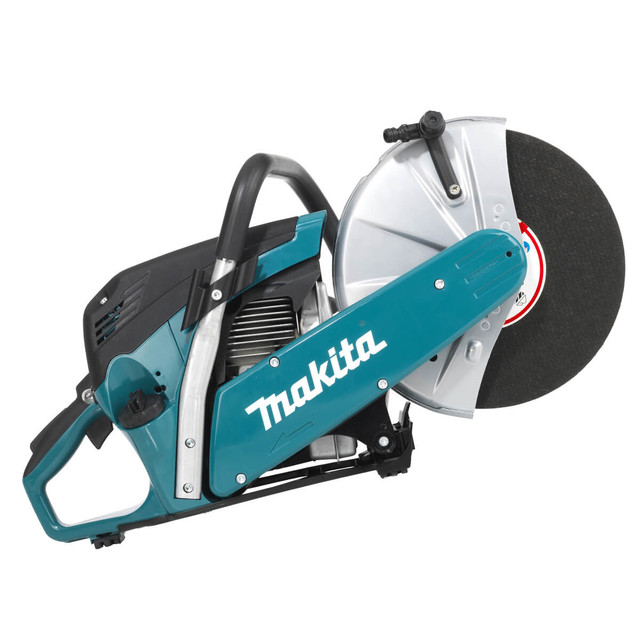
Makita EK6100 305mm 2-Stroke Petrol Disc Cutter
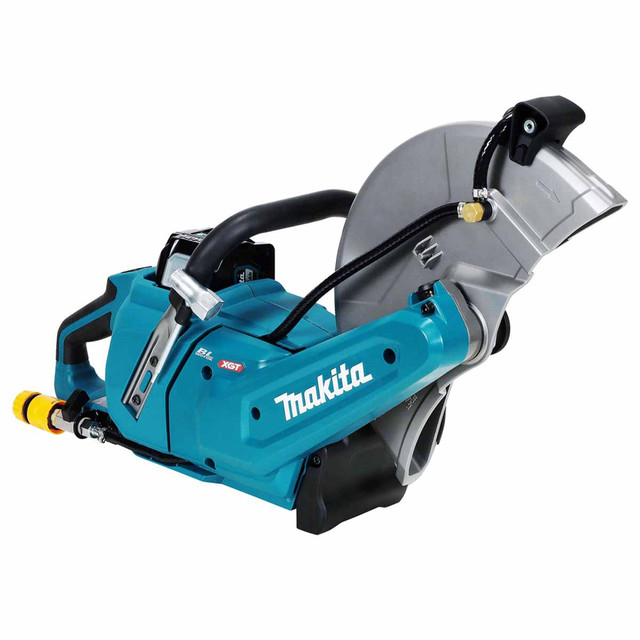
Makita CE004GZ 40V Max XGT Brushless 305mm Cut Off Saw (Body Only)
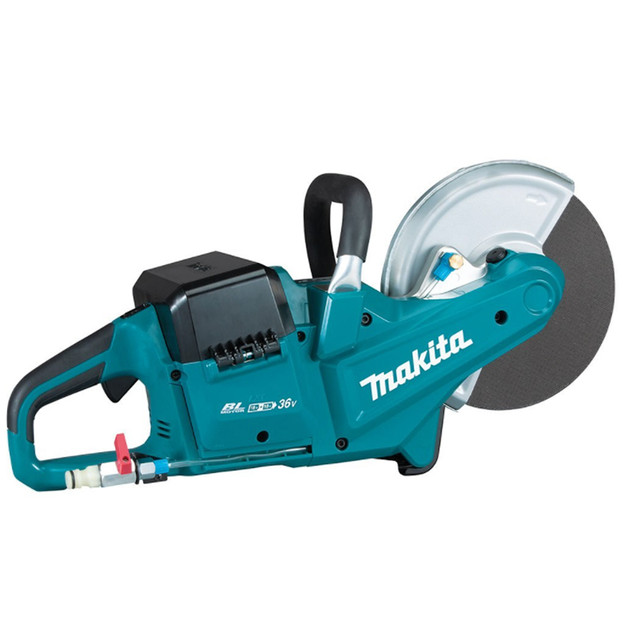
Makita DCE090ZX1 Twin 18V LXT Brushless Cut Off Saw (Body Only)
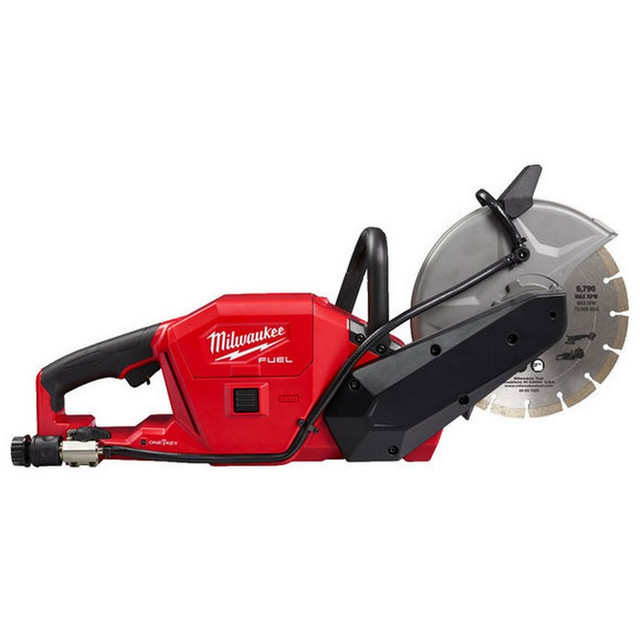
Milwaukee M18FCOS230-0 18V Fuel 230mm Brushless Cut Off Saw (Body Only)
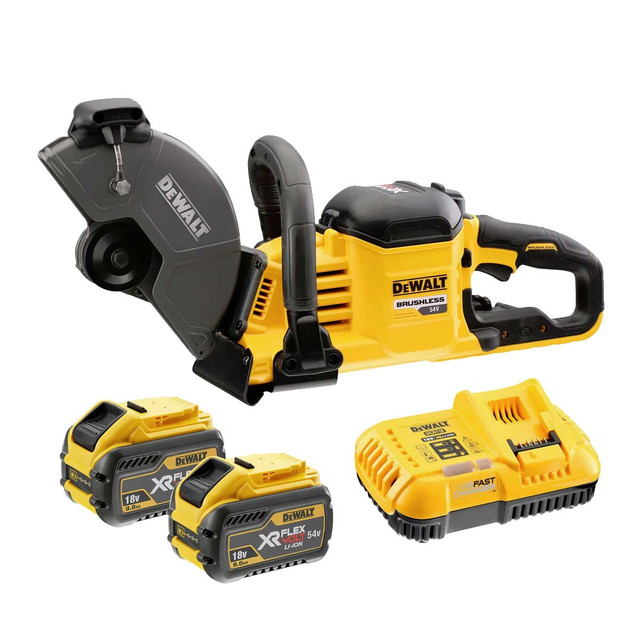
DeWalt DCS691X2-GB 54V XR FlexVolt Brushless 230mm Cut Off Saw with 2 x 9.0Ah Batteries
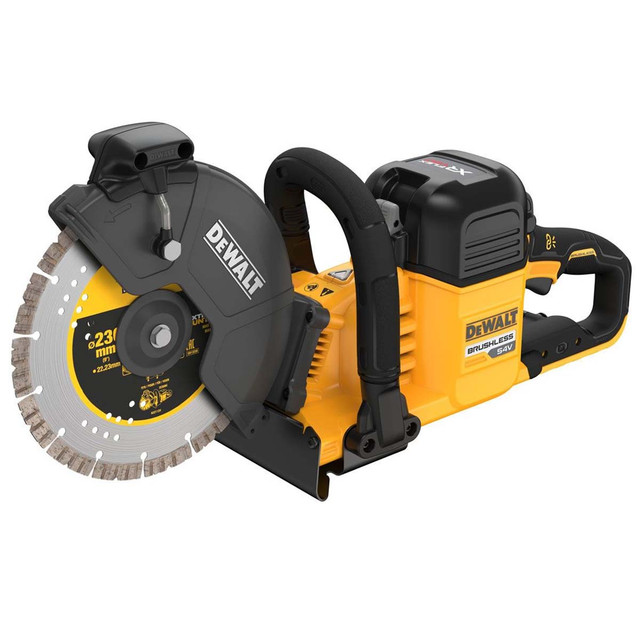
DeWalt DCS691N-XJ 54V XR Flexvolt 230mm Brushless Cut Off Saw (Body Only)
Difference Between Mitre Saw and Cut-Off Saw
Motor Power and RPM
This is the point where a lot of buying guides get too simplistic. Published RPM does vary, but it does not tell the full story on its own. The Makita DLS110Z at 4,400 rpm, a DeWalt DWS777-GB at 6,300 rpm, and both the DeWalt DCS691X2-GB and Milwaukee M18FCOS230-0 at 6,600 rpm. The better way to think about it is this: mitre saws are tuned for clean, controlled timber cuts, while cut-off saws are built around tougher material resistance, harsher debris, and more aggressive duty. Buy on intended material, blade system, guarding, and cut quality, not on RPM alone.
Blade Types: Teeth vs Abrasive Discs
This is the real separator. A mitre saw usually runs a toothed blade, most commonly from the TCT circular saw blades range, because toothed blades leave a cleaner edge in timber and sheet material. A chop saw or cut-off saw is more likely to run a cutting disc for metal or a diamond blade for masonry and hard abrasive materials.
This is also why fitting a wood blade to a metal-focused setup is a bad idea. The disc must match the tool’s required size and speed rating, and actual arbor sizes vary too. For example, the Makita DLS110Z and DeWalt DWS777 mitre saws are listed with a 30 mm bore, while the DeWalt DCS691 cut-off saw is listed with a 22.23 mm hole size. Even before you get into material suitability, many blade swaps simply are not a proper fit. If you need timber blades, stick with the correct TCT blade range.
Cutting Capacity and Angles
Most chop saws are straightforward. They are excellent at straight cuts, and some allow limited 45° work, but they are not designed to give you the same bevel-and-compound flexibility as a dedicated mitre saw. The Makita DLS110Z is listed with left/right mitre to 60° and left/right bevel to 48°, while the DeWalt DWS780 offers wide mitre and bevel adjustment plus rails, shadow-line alignment, and large material support. By contrast, metal chop saws tend to stay much simpler, although some models such as the Evolution S355CPS do offer 0° to 45° capacity for practical fabrication work.
Key Comparison Factors
Precision and Finish
If the cut will be seen, painted, or fitted into a finished assembly, the mitre saw wins almost every time. It is the better choice for repeatable trim cuts, mitres, bevels, and clean joinery. A chop saw can be accurate enough for fabrication and site steel, but the edge quality is usually secondary to speed and material removal, so deburring, dressing, or grinding afterwards is often part of the process.
Safety Hazards: Sparks vs Sawdust
Both saw types need respect, but the hazard profile is different. With chop saws and cut-off saws, the big issues are sparks, hot debris, metal dust, and fire risk around flammables. With mitre saws, the main concern is fine dust and respiratory exposure, especially in MDF, treated timber, or prolonged indoor cutting. Toolden’s ranges make it easy to pair the right saw with PPE and safety gear, including eye protection, ear protection, and face masks and respirators.
When to Use a Mitre Saw vs Cut-Off Saw
Choose a mitre saw for:
- skirting boards and architraves
- flooring trims and mouldings
- decking boards and framing crosscuts
- furniture parts and shelving
- any job where angle accuracy and finish matter
Choose a chop saw or cut-off saw for:
- steel studs
- rebar
- angle iron
- threaded rod
- metal pipe and heavier site fabrication work
That is the quickest way to make the decision. If you are thinking “clean timber joinery”, buy a mitre saw. If you are thinking “metal stock and tough site material”, buy a chop saw.
Can a Miter Saw Be Used as a Chop Saw?
Generally, no. Treat them as different tools unless the saw is specifically sold as a multi-material machine. Yes, there are edge cases, but for most buyers the safer and more practical answer is to use the tool that was designed for the material.
The Difference in Motor Construction
A woodworking mitre saw is built around clean finish work, fences, accuracy, and dust extraction. Metal cut-off saws are built to cope with harsher debris and heavier load. You can see that difference in the details: cut-off saw listings include sealed switches, enlarged battery boxes, water feeds, and load indicators, while mitre saw listings focus on dust bags, dust extraction, rail systems, shadow lines, and workpiece support.
Spark Management and Fire Hazards
A chop saw is designed with sparks and hot waste in mind. A standard woodworking mitre saw is not. That matters because timber dust, dust bags, and finish-work environments are not where you want a stream of hot metal sparks. Even if the cut “works”, the setup is wrong for the hazard. If the job is metal, browse the proper chop saws or cordless cut-off saws instead.
Blade Compatibility and Arbor Size
Blade fit is one of the biggest reasons these tools are not interchangeable. Toolden’s live specs show common mitre saw bores at 30 mm and a cut-off saw hole size at 22.23 mm on the DeWalt DCS691. Add the requirement to match disc size and speed rating, and the “I’ll just fit a different blade” idea falls apart very quickly.
Can You Use a Mitre Saw to Cut Metal?
Not as a general-purpose shortcut. If you occasionally need both timber and light metal capability, the better route is to buy a saw that is explicitly sold as multi-material rather than forcing a standard wood mitre saw into the wrong role. Evolution mitre saws are the clearest example of that middle ground, and the Evolution R255SMS+ is described as able to cut mild steel, non-ferrous metals, wood, nail-embedded wood, and plastic with a single blade. That is very different from treating a normal woodworking mitre saw like a chop saw.
FAQ
Is a chop saw the same as a mitre saw?
No. A chop saw, or cut-off saw, is generally for metal, masonry, and heavy-duty straight cutting. A mitre saw is built for cleaner, more accurate angled cuts, especially in timber and finish materials.
Can I put a metal cutting blade on my miter saw?
Only if the saw and blade are specifically designed, rated, and approved to work together. You must match material, arbor size, and speed rating. In normal trade terms, do not assume a blade swap makes one saw into another.
Which is louder: a chop saw or a mitre saw?
A chop saw is usually the harsher experience because you are dealing with metal contact, sparks, and more aggressive cutting conditions, but both can be loud enough to justify proper ear protection.
Why are chop saws cheaper than mitre saws?
Basic abrasive chop saws are often cheaper because they are mechanically simpler. They usually do not need sliding rails, compound bevel systems, shadow-line guides, or cabinetry-grade accuracy. That said, premium metal saws and cordless cut-off saws can absolutely cost more than entry-level mitre saws.
Need some help with your order? Our new help centre has a wide range of helpful articles and guides!
If you have any additional queries, please do not hesitate to contact us below: