
The Ultimate Hammer Drill Buying Guide
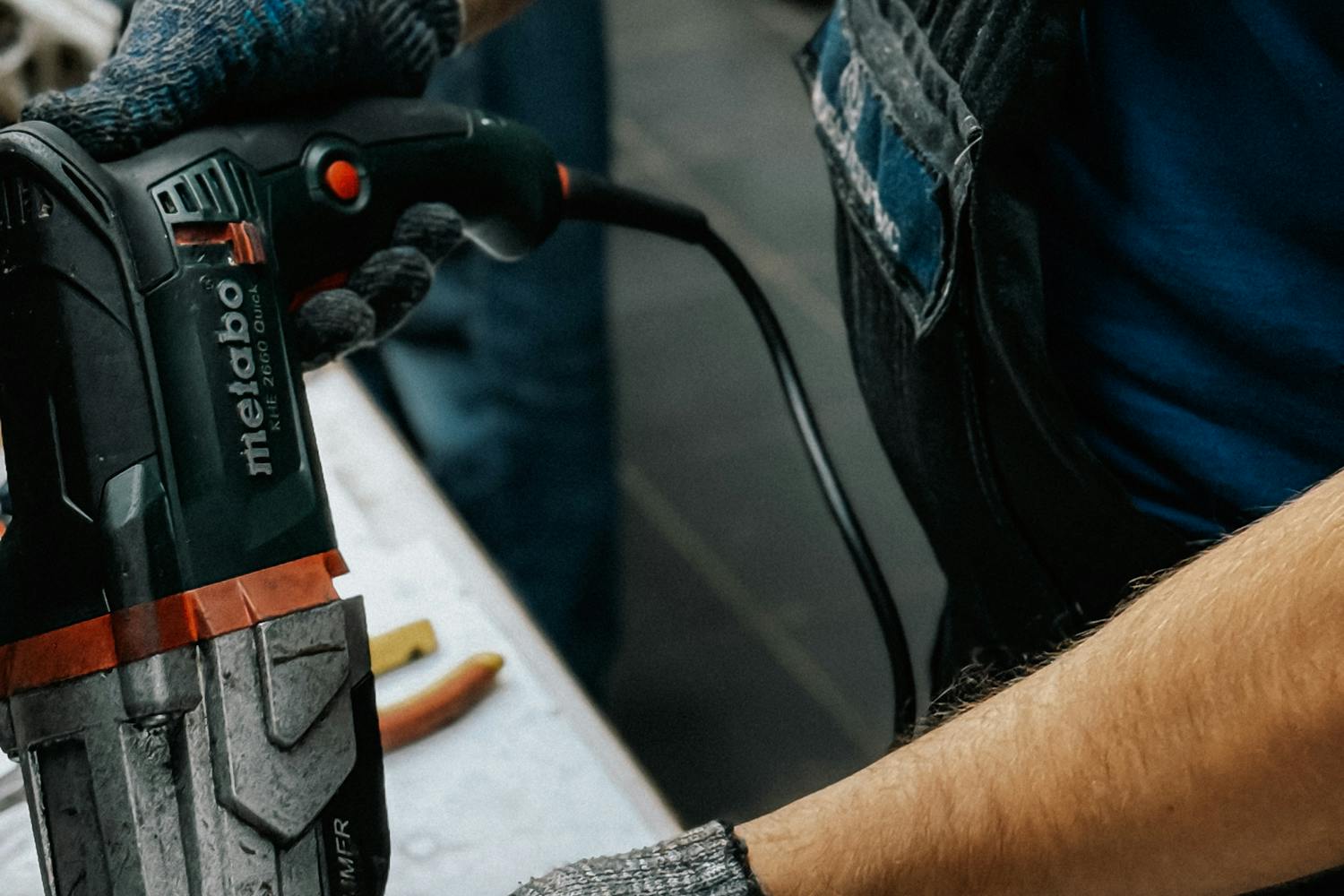
A standard drill works well for timber, plastic, plasterboard and light metal. It struggles with brick, block, mortar and concrete because masonry is harder and more abrasive. The bit can skate across the surface, overheat or fail to cut properly.
Alongside rotation, hammer drills use a fast forward hammer action to help the bit break into masonry, for example for fixing shelves into a brick wall. For trades, it is useful for drilling holes for back boxes, pipe clips, cable runs, brackets and anchors.
This guide explains how hammer drills work and when to use them as well as how to choose between a standard percussion hammer drill, a versatile combi drill, and a more powerful SDS drill.
What Is a Hammer Drill and How Does It Work?
A hammer drill combines normal drilling with a fast in-and-out hammer action. This helps masonry bits cut into hard materials such as brick, block, stone and light concrete.
In most standard hammer drills, the hammer action is mechanical. Inside the drill, two ribbed discs press together. As the chuck spins, the ridges move over each other and create a quick pulsing movement. This drives the bit forwards and backwards while it rotates. It is not a heavy breaking action, but it helps the bit chip into masonry instead of just rubbing against it.
A hammer drill is useful for everyday masonry drilling. It is not the same as an SDS rotary hammer. SDS drills use a piston system, which hits harder and transfers more impact into the bit.
When to Use a Hammer Drill (and When Not To)
Use hammer mode for brick, mortar, blockwork, stone, render and light concrete. It is also useful for wall plugs, frame fixings, cable clips, radiator brackets, shelves and installation work.
Do not use hammer mode on wood, plastic or metal. It can tear timber, crack plastic, bend thin metal and make the hole less accurate. For these materials, use rotary-only mode with the correct drill bit. You should also avoid relying on a standard hammer drill for heavy-duty reinforced concrete, large-diameter holes or repeated site work in dense concrete. For that, move up to an SDS option from our SDS+ hammer drill range or SDS Max hammer drill range.
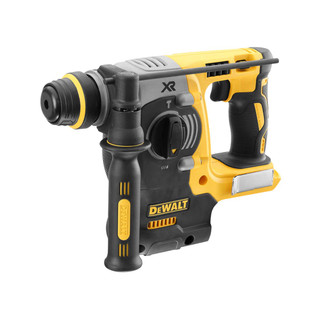
SDS+ Hammer Drills
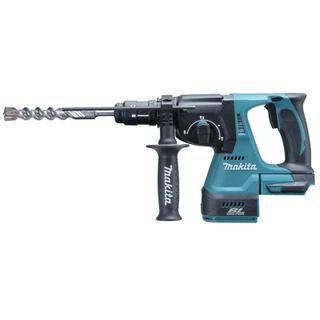
SDS Max Hammer Drills
Types of Hammer Drills
The hammer drill market can be split into three main tool types.
| Type | Best for | Typical user |
|---|---|---|
| Standard hammer drill or percussion drill | Fast drilling into brick, block and masonry with a standard chuck | DIYers and trades who want a dedicated drilling tool |
| Combi drill | Drilling, screwdriving and light hammer drilling in one cordless tool | Most homeowners, installers and general trades |
| Rotary hammer or SDS drill | Concrete, heavy masonry, chiselling and renovation work | Builders, electricians, plumbers, renovators and site users |
Understanding the Differences: Hammer Drill Comparisons
Hammer Drill vs Combi Drill
A combi drill is a 3-in-1 tool. Normally working as a drill, screwdriver and hammer drill. It can drill wood and metal, drive screws with torque control, and switch to hammer mode for light masonry.
That is why cordless combi drills are popular in the UK. One tool can build furniture, hang shelves, drill pilot holes, tighten fixings and handle small masonry jobs.
A standard hammer drill is usually less useful for screwdriving. For drilling only, it can feel more direct and powerful. Corded percussion drills are a good option when you want constant runtime, high speed and no battery changes.
For more detail on how a combination drill works, read our Combi Drill Buying Guide.
Hammer Drill vs Impact Driver
The main difference is how the force is applied. A hammer drill pushes the bit forwards and backwards in line with the drill bit. This helps it drill into masonry such as brick, block and light concrete.
An impact driver delivers force in a twisting direction. It is made for driving screws, bolts and fixings. It works well for long screws, decking screws, coach screws and tough fastening jobs, but it is not the right tool for drilling clean holes in brick or concrete. For fastening, browse our cordless impact drivers.
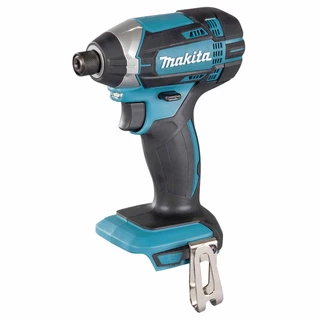
Cordless Impact Drivers
Difference Between SDS Drill and Standard Hammer Drill
SDS usually means Slotted Drive System. It refers to the slotted bit shank and chuck. The bit clicks into the chuck and can move slightly backwards and forwards while staying locked in place. A standard drill chuck grips a smooth round shank, often up to 13mm. An SDS chuck uses specialist SDS bits instead.
The main difference is the hammer action. A standard hammer drill uses mechanical ribbed discs. An SDS rotary hammer uses a piston system, which hits harder and transfers more force into the bit. That makes SDS drills better for concrete, heavy masonry, chasing, tile removal and light demolition.
For a deeper breakdown, see our SDS Drill Buying Guide.
Best Hammer Drill Brands
Best Standard Hammer Drill Brands
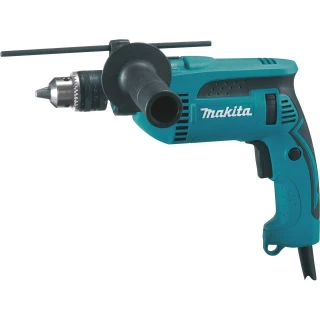
For standard hammer and percussion drills, Makita is a strong choice for trades and serious DIYers who want dependable corded performance. The Makita HP2051 240V Percussion Drill is a good example: it offers two mechanical gears, rotation-only or hammer drilling, a keyless chuck and a side handle for control.
HiKOKI is another solid option for users who prefer a robust corded drill. The HiKOKI DV20VB2 13mm Keyless Rotary Impact Drill 790W 240V is suited to users who want variable speed, a 2-speed gearbox and a conventional chuck for general drilling work.
For those comparing the full category, our range of percussion drills section is the right place to start.
Percussion Drills
Best SDS Hammer Drill Brands
DeWalt is a popular SDS choice for professional users. The DeWalt DCH253N 18V SDS+ Rotary Hammer suits anchor holes, brick and masonry drilling, while the DeWalt DCH333N 54V FlexVolt SDS Plus Hammer Drill is aimed at heavier cordless work.
Makita is well suited to users already invested in the LXT platform. The Makita DHR202Z 18V LXT SDS+ Rotary Hammer offers 3-mode operation, covering rotary drilling, hammer drilling and chiselling.
Milwaukee is a strong option for demanding site users. The Milwaukee M18 FH-0 18V FUEL SDS Plus Hammer Drill gives 4-mode versatility, while the Milwaukee M18 FHM-121C SDS Max Hammer is designed for heavy concrete and demolition tasks.
Key Factors to Consider When Buying
Corded Vs Cordless
Cordless hammer drills are convenient and easy to move around with. An 18V combi drill is usually the best all-round option for homeowners and installers. Higher powered cordless ranges, such as DeWalt XR/FlexVolt and Milwaukee M18, suit heavier trade use. Cordless tools are useful on ladders, in lofts, outdoors and anywhere a cable would get in the way.
Corded drills still have their place. A 240V drill is useful at home or in a workshop. A 110V drill is common on UK sites where transformers are used. Corded models give constant runtime and can be cheaper if you do not already own batteries and chargers.
Chuck Type and Bit Compatibility
A standard hammer drill or combi drill normally uses a 13mm keyless chuck. It accepts straight-shank drill bits for wood, metal and masonry. SDS drills use SDS+ or SDS Max click-in systems. SDS+ is the common choice for general construction drilling. SDS Max is larger and intended for bigger holes, heavier chiselling and more demanding concrete work.
SDS bits do not fit a standard chuck. Standard round-shank bits do not fit directly into an SDS chuck unless you use an adaptor, and even then they should be used in rotary-only mode. For compatible tools, browse SDS+ hammer drills and SDS Max hammer drills.
Power, Blows Per Minute (BPM) and Torque
Power affects how well the drill copes under load. For corded drills, check the wattage. For cordless drills, check the voltage, battery platform, and whether the motor is brushed or brushless. BPM, or impact rate, shows how many hammer blows the drill delivers per minute. Higher BPM can help when drilling brick and block, but SDS drills depend more on impact energy.
Torque is measured in Nm. It matters most when driving large screws, fixings or auger bits. For masonry drilling, focus on hammer performance. For screwdriving and fixing work, look at torque and clutch control.
Choosing the Right Hammer Drill Bits
The drill bit matters as much as the drill. For brick, block and concrete, use carbide-tipped masonry bits. Cheap or worn bits heat up quickly, drill slowly and can make a good drill feel underpowered. For standard hammer drills and combi drills, use straight-shank masonry bits that fit a normal keyless chuck.
For SDS tools, use SDS+ or SDS Max bits to match the chuck. SDS bits lock into the drill and let the hammer action work properly.
We stock a wide range of drill bits and chisels, including masonry drill bits, SDS+ quad tipped drill bits and SDS Max drill bits.
Safety and Maintenance Tips
Always wear eye protection when drilling masonry. Brick dust, chips and broken bit fragments can travel fast. Use a suitable dust mask or respirator when drilling materials that create fine dust, and consider dust extraction where practical. We stock eye protection, face masks and respirators, and cordless vacuums and dust extractors.
Maintain the tool by keeping the chuck clean, blowing dust out of vents where safe to do so, and checking the cable on corded models. On older corded drills, carbon brushes may eventually need attention. For SDS drills, keep SDS shanks clean and lightly greased where the manufacturer recommends it. This helps the bit slide correctly in the chuck and reduces unnecessary wear.
Common Mistakes to Avoid
The first mistake is pushing too hard. A hammer drill works through fast impact, not force. Let the drill and bit do the work. Too much pressure can slow the hammer action, overheat the bit and damage the drill.
The second mistake is using the wrong bit. Wood bits are not for masonry. HSS metal bits are not for brick. Standard masonry bits are not a replacement for SDS bits in heavy concrete.
The third mistake is using the wrong mode. Hammer mode is for masonry. Turn it off for wood, plastic and metal. On SDS drills, only use chisel mode with the correct chisel accessory and only when the job needs it.
Frequently Asked Questions
Can a Rotary Hammer Drill Be Used as a Regular Drill?
Yes, if it has rotary-only mode and you use the correct bit or chuck adaptor. It will usually be bulkier than a normal drill, so it is not always the most comfortable choice for fine work.
What is the difference between SDS and rotary hammer drill?
SDS refers to the slotted chuck and bit system. A rotary hammer drill is the tool type that uses a stronger hammer mechanism. Many rotary hammer drills use SDS+ or SDS Max fittings.
Is a SDS drill better than a hammer drill?
For concrete and heavy masonry, yes. For light DIY, screwdriving and general drilling, a combi drill or standard hammer drill may be more practical.
Can you use an SDS drill as a hammer drill?
Yes. In rotary hammer mode, an SDS drill performs the same basic job as a hammer drill, but with stronger impact energy and better bit retention.
Do I need a SDS drill for concrete?
For occasional small holes in light concrete, a good hammer drill may cope. For dense concrete, repeated holes, deeper fixings or reinforced material, an SDS drill is the better choice.
When not to use a hammer drill?
Do not use hammer mode on wood, plastic, metal, tiles that may crack, delicate materials, or any job where a clean rotary-only hole is needed.
Can I use standard masonry bits in an SDS hammer drill?
Not directly. SDS drills need SDS-shank bits. You can use some standard bits with a suitable chuck adaptor, but only in rotary-only mode.
What is the difference between SDS Plus and SDS Max?
SDS Plus is smaller and best for general masonry drilling and light chiselling. SDS Max is larger, heavier and designed for bigger holes, harder concrete and demolition work.
Does a hammer drill need a special type of battery?
No universal special battery exists. A cordless hammer drill needs the battery platform it was designed for, such as 18V, 40V or 54V systems. Always match the tool, battery and charger brand and voltage.
What is “Chisel Mode” and do all hammer drills have it?
Chisel mode is hammer-only mode. It stops rotation so the tool can chip tiles, plaster, render or masonry with a chisel bit. Standard hammer drills usually do not have it. Many SDS drills do.
How Long Do Hammer Drill Bits Last?
It depends on material, bit quality, heat and technique. A good carbide-tipped masonry bit can last a long time in brick and block, but abrasive concrete, excessive pressure and overheating shorten its life. Replace bits when they become slow, rounded, chipped or blue from heat.
Final Thoughts
The best hammer drill is not always the most powerful one. It is the one that matches the material, frequency of use and bit system you actually need. For a typical home, a quality combi drill is hard to beat. For regular trade work, adding an SDS+ drill saves time and reduces strain. For renovation, demolition and heavy concrete, SDS Max becomes the serious option.
Need some help with your order? Our new help centre has a wide range of helpful articles and guides!
If you have any additional queries, please do not hesitate to contact us below: