
Metric vs. Imperial Socket Sets: Why Mechanics Need Both in the UK
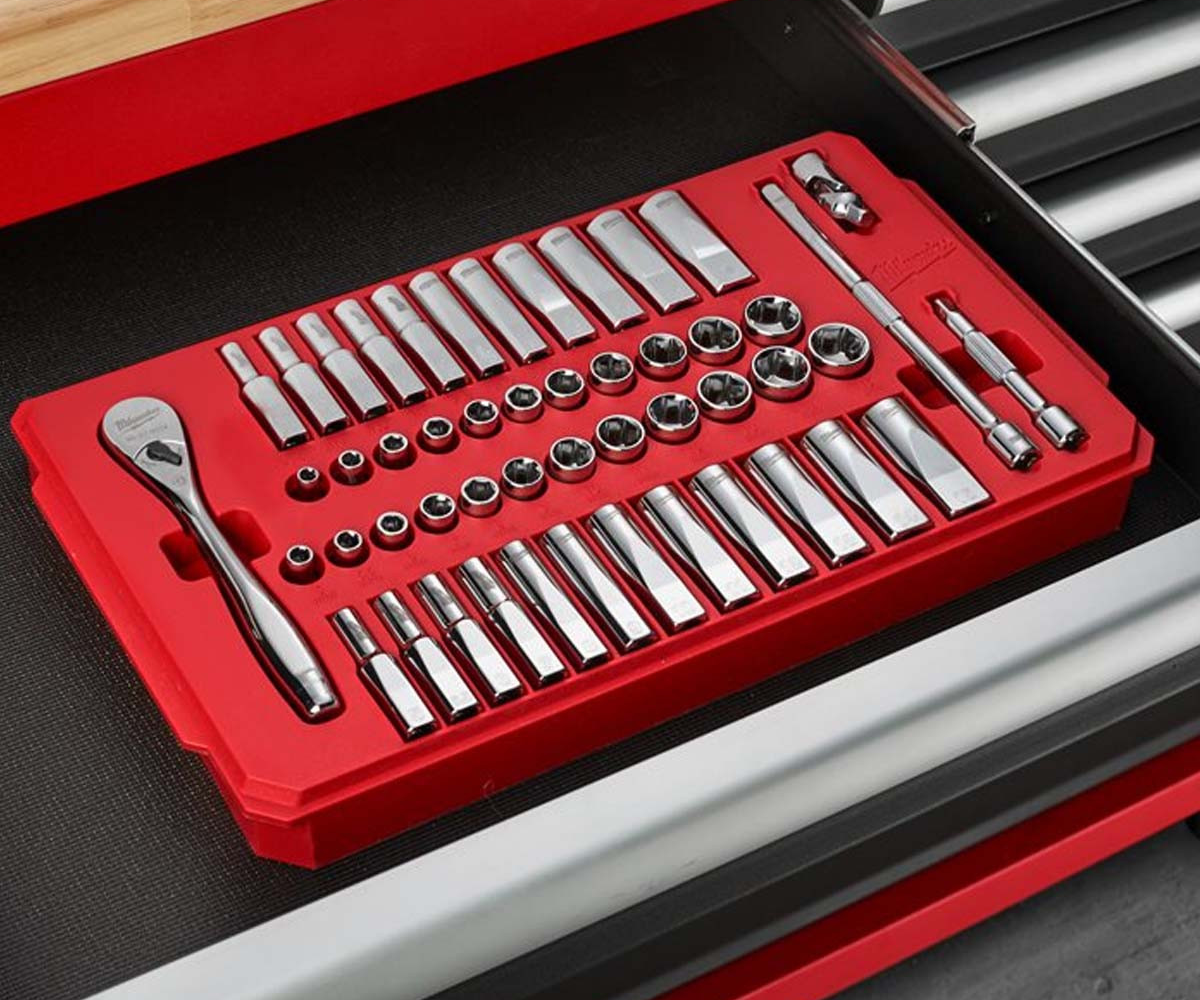
Key Findings
Can you use metric sockets on imperial bolts?
Some metric sockets and imperial sockets might look similar, but they aren’t always interchangeable. A socket that is just a little bit too big can slip under pressure and damage the bolt head. For best results, always use the proper measurement system and socket size for the fastener.
What happens if you use a socket that’s too big?
A socket that’s too large may slip around the bolt head when force is applied. This can round off the fastener, making it increasingly difficult to remove. Always choose a socket that fits securely without excessive movement before applying pressure.
Do UK mechanics really need imperial socket sets?
Although metric sockets are sufficient for most modern UK vehicles, imperial sockets remain useful for classic cars, older machinery and certain imported equipment. Mechanics who regularly work across different vehicle types and equipment will benefit from keeping both measurement systems available.
Can you use any socket with a torque wrench?
Not every socket is suitable for every torque wrench. The socket must match the wrench’s square drive size and be rated for the intended application. It must also fit the fastener correctly. Always follow the manufacturer’s guidance and use a calibrated torque wrench when accurate tightening is required.
What size socket set is best for a mechanic?
A 3/8″ drive metric socket set is a practical starting point for general automotive repairs. However, professional mechanics may benefit from a combination of 1/4″, 3/8″ and 1/2″ drive sockets, along with imperial sizes, deep sockets and suitable extensions for more specialised applications.
Introduction
Whether you’re working on a modern vehicle, maintaining older machinery or tackling repairs on site, having the right tools for the job is essential. One common frustration for mechanics is encountering a bolt or fastener that doesn’t fit the sockets they have available. Understanding the differences between metric vs. imperial socket sets can help you choose the right tools for every application. Investing in comprehensive socket sets containing both measurement systems can make a significant difference to efficiency and accuracy.
Although metric fasteners are standard across most modern UK vehicles and equipment, imperial sizes are still found on classic cars, older machinery and certain imported components. Knowing when to use metric or imperial sockets can help prevent damaged fasteners, unnecessary delays and costly repairs.
Metric vs. Imperial Socket Sets: What’s the Difference?
The main difference between metric and imperial socket sets is in the way they measure their sizes. They both do the same basic thing, but you can’t directly swap out one for the other in terms of measurements.
Metric socket sets use millimetres (mm) to measure the distance across the flats of a fastener head. Common sizes include 8mm, 10mm, 13mm, 17mm and 19mm. These are widely used across modern European and Asian vehicles, motorcycles and general mechanical applications.
Imperial socket sets, sometimes referred to as SAE socket sets, use fractions of an inch. Common sizes include 1/4″, 5/16″, 3/8″, 7/16″, 1/2″ and 9/16″. These are particularly useful when working on classic British vehicles, older American cars and machinery manufactured to imperial standards.
Metric vs. Imperial Socket Comparison
| Feature | Metric Socket Sets | Imperial Socket Sets |
|---|---|---|
| Measurement | Millimetres (mm) | Fractions of an inch |
| Common sizes | 8mm, 10mm, 13mm, 17mm | 5/16″, 3/8″, 1/2″, 9/16″ |
| Typical applications | Modern vehicles, machinery and equipment | Classic vehicles, older machinery and some imported equipment |
| Availability | Widely used throughout the UK | More specialised but still important |
| Best suited for | Everyday automotive and mechanical work | Restoration, maintenance and mixed-standard equipment |
Some metric and imperial sockets look very similar in size but even a small difference can affect how well the socket holds onto a fastener.
For example a 13mm socket is about 0.512 inches. The 1/2″ imperial socket is 12.7mm so the 13mm is just a bit bigger. The difference is only 0.3mm but having the wrong size can increase the risk of slipping or rounding off the fastener.
Why Using the Correct Socket Size Matters
Choosing the correct socket is about more than simply getting a bolt tightened or loosened. Using the wrong size can damage fasteners, reduce efficiency and potentially create safety risks.
The socket won’t get a good grip on the fastener if it is too large. As force is applied through the socket wrench, the tool may slip or slowly round off the corners of the bolt head.
If the fastener rounds, it may require special extraction tools or additional repair to remove it.
Common Problems Caused by Incorrect Socket Sizes
- Rounded bolt heads: Poor contact between the socket and fastener can damage the corners, making removal difficult.
- Tool slippage: An incorrectly sized socket may slip when force is applied, increasing the risk of injury.
- Damaged components: Excessive movement or sudden slipping can damage nearby components.
- Wasted time: Searching for replacement fasteners or extraction tools can delay repairs.
- Reduced tool lifespan: Repeatedly using incorrectly sized socket wrench sockets can accelerate wear.
A good set of sockets should have a good variety of sizes, so mechanics can find the right size, rather than having to settle for the closest they can find.
Six-point sockets are also a good idea where possible when dealing with stubborn fasteners. Their design usually ensures more secure contact with the flats of a hexagonal bolt head, making rounding less likely than some twelve-point alternatives.
When Do UK Mechanics Need Metric and Imperial Socket Sets?
For most modern automotive repairs in the UK, metric sockets will cover the majority of everyday tasks. However, there are several situations where having imperial sockets available is equally important.
1. Working on Classic Cars
Imperial fasteners are used in many classic British and American cars, especially those that were built before metric measurements were commonly used.
Restoration mechanics may encounter a mix of fastener standards on older vehicles, especially if replacement parts or modern upgrades have been installed.
Having both types of sockets available makes it easier to work on original components without damaging hard-to-replace fasteners.
2. Maintaining Older Machinery
Agricultural, industrial and workshop machinery can remain operational for decades. Depending on its age and country of manufacture, equipment may use imperial fasteners that aren’t compatible with standard metric sockets.
Having a full set of sockets will reduce downtime during maintenance and repairs.
3. Repairing Imported Equipment
Some imported vehicles and equipment, especially those coming from the United States, might be using imperial fasteners.
The machine may be mostly metric but some parts may require imperial sockets.
4. Working with Mixed Fastener Standards
Measurement systems can be included in modified vehicles, refurbished equipment and machinery assembled from components of different manufacturers.
If you’re a mechanic who often works on unfamiliar equipment, carrying a variety of ratchets and sockets gives you more flexibility.
Choosing the Correct Socket Wrench and Torque Setting
Selecting the right socket size is only part of the process. Using the correct socket wrench and applying the appropriate amount of torque is equally important for safe, accurate fastening.
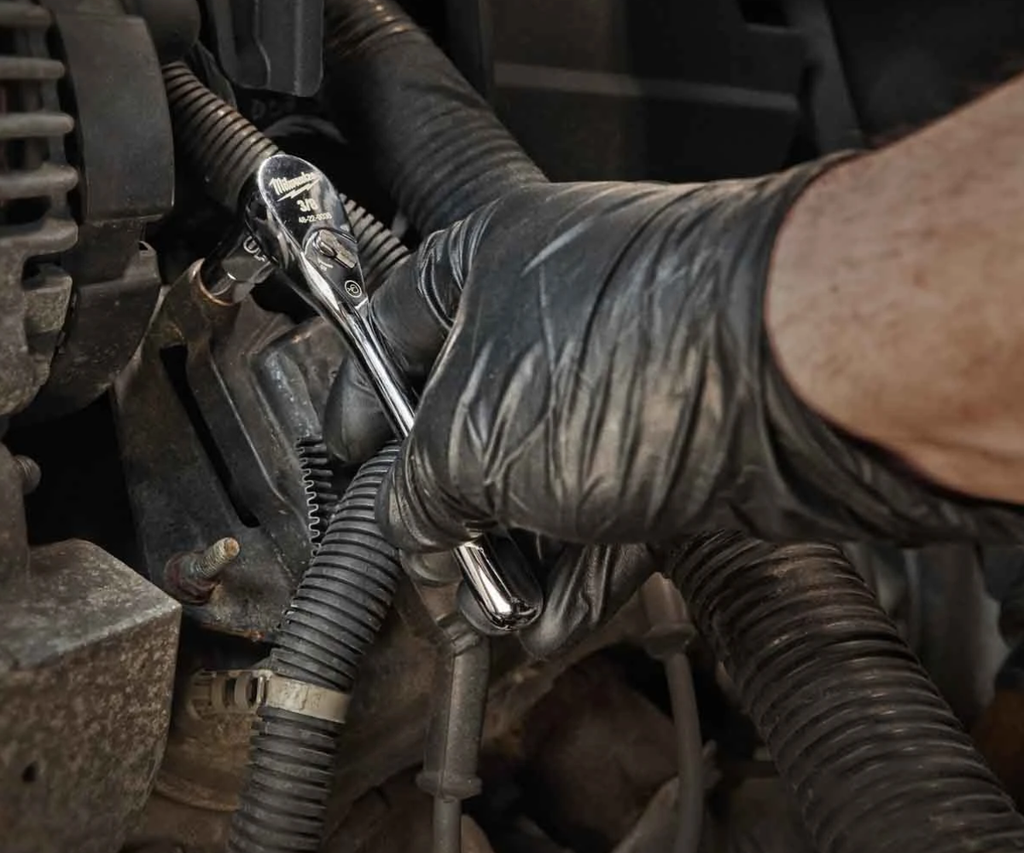
A socket wrench allows mechanics to tighten or loosen fasteners efficiently, with ratchet mechanisms making repetitive work easier in confined spaces.
However, when a fastener requires a specific tightening torque, a calibrated torque wrench should be used rather than relying on feel alone.
Understanding Socket Drive Sizes
Socket sets are commonly available with different square drive sizes, which determine compatibility with ratchets, extensions and torque wrenches.
| Drive Size | Typical Application |
|---|---|
| 1/4″ Drive | Small fasteners, delicate components and confined spaces |
| 3/8″ Drive | General automotive maintenance and everyday mechanical repairs |
| 1/2″ Drive | Larger fasteners, suspension components and higher-torque applications |
| 3/4″ Drive | Heavy machinery, commercial vehicles and industrial maintenance |
The correct drive size depends on the fastener, available working space and required torque.
How to Apply the Correct Torque
Using the correct socket setting and torque specification helps ensure fasteners are tightened securely without damaging threads or components.
For accurate tightening:
1. Identify the fastener size
Select the correct metric or imperial socket and check that it fits securely.
2. Check the manufacturer’s specification
Find the recommended tightening torque for the component.
3. Select the appropriate torque wrench
Ensure its operating range covers the required torque value.
4. Set the required torque
Adjust the torque wrench according to the manufacturer’s instructions.
5. Tighten smoothly
Apply steady pressure until the wrench indicates that the specified torque has been reached.
6. Check the finished assembly
Follow any additional tightening sequence or inspection requirements specified by the manufacturer.
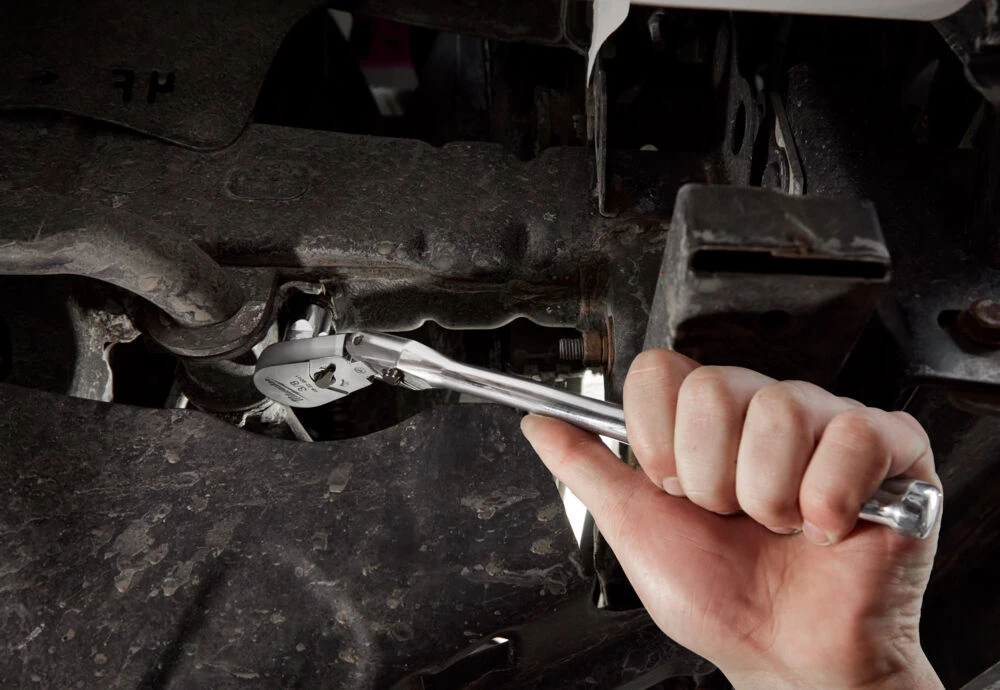
Applying too little torque can leave components insufficiently secured, while excessive torque can damage threads, stretch bolts or cause fastener failure.
It’s also important to remember that standard hand sockets and impact-rated sockets aren’t always interchangeable. When using powered impact wrenches, always choose sockets specifically designed for impact applications.
What Should You Look for When Buying Socket Sets?
Choosing the best socket sets for your workshop depends on the type of work you regularly carry out. While a basic metric set may be sufficient for occasional maintenance, professional mechanics often benefit from a more comprehensive selection.
Key Features to Consider
Metric and Imperial Sizes
A combined set provides greater flexibility when working on vehicles and machinery with different fastener standards.
A Versatile Set of Ratchets
Having a set of ratchets with different drive sizes allows you to work efficiently across small, medium and larger fasteners.
Six-Point and Twelve-Point Sockets
Six-point sockets are generally preferable for stubborn or heavily tightened hexagonal fasteners, while twelve-point sockets can offer additional positioning options in restricted spaces and are required for certain twelve-point fasteners.
Deep and Shallow Sockets
Shallow sockets are useful for everyday fastening tasks, while deep sockets provide additional clearance when working with recessed fasteners or protruding threaded studs.
Durable Construction
Look for sockets manufactured from quality materials, such as chrome vanadium steel for many hand-tool applications, to provide reliable performance during regular workshop use.
Organised Storage
A clearly labelled carry case or storage system helps mechanics identify the correct socket quickly and reduces the likelihood of losing individual pieces.
A 3/8″ drive metric socket set is a practical starting point for general automotive repairs. However, professional mechanics may benefit from a combination of 1/4″, 3/8″ and 1/2″ drive sockets, along with imperial sizes, deep sockets and suitable extensions for more specialised applications.
Conclusion: Why Every Mechanic Should Have Both Metric and Imperial Socket Sets
Although metric fasteners dominate modern UK automotive and mechanical applications, imperial sizes remain relevant for classic vehicles, older machinery and certain imported equipment.
Relying on one measurement system can leave mechanics searching for the correct socket, improvising with unsuitable alternatives or delaying repairs altogether.
Investing in a comprehensive set of ratchets and sockets that includes both metric and imperial options ensures you’re better prepared for whatever fasteners you encounter.
Whether you’re maintaining your own vehicle or working professionally in a busy workshop, having the right socket available helps improve efficiency, protect components and achieve more reliable results.
Explore the full range of socket sets at Toolden and find the right combination of sockets, ratchets and accessories for your toolkit.
Frequently Asked Questions
What Is the Difference Between a Socket Set and a Spanner Set?
Socket sets use interchangeable sockets attached to a ratchet or socket wrench to tighten and loosen fasteners. Spanner sets feature fixed-size openings or rings designed to grip nuts and bolts directly. Socket sets are particularly useful for repetitive fastening tasks, while spanners can provide better access in confined areas where a ratchet won’t fit.
Are Metric and Imperial Socket Sets Interchangeable?
Metric and imperial socket sets aren’t designed to be interchangeable, although certain sizes are very close. For example, a 19mm socket is slightly smaller than a 3/4″ socket. Using an incorrectly sized socket can cause slipping or damage to the fastener, so it’s always best to select the correct measurement.
What Is the Most Common Socket Drive Size for Automotive Repairs?
A 3/8″ drive socket wrench is one of the most versatile options for general automotive maintenance. It offers a practical balance between accessibility and torque capacity, making it suitable for many engine, brake and mechanical repairs. A 1/2″ drive is commonly used for larger fasteners, while a 1/4″ drive is useful for smaller components.
How Do You Maintain Socket Sets to Make Them Last Longer?
To keep socket sets in good condition, clean sockets and ratchets after use to remove dirt, grease and moisture. Store them in a dry environment, preferably in their original case, to prevent corrosion and missing pieces. Regularly inspect socket wrench sockets for cracks, excessive wear or damage, and maintain ratchet mechanisms according to the manufacturer’s instructions.
Is It Worth Buying a Large Socket Set?
A larger socket set can be a worthwhile investment for professional mechanics and anyone regularly working on different vehicles or machinery. Comprehensive sets often include multiple drive sizes, deep and shallow sockets, extensions and a set of ratchets. Having a wider selection available reduces the need to purchase individual sockets and helps prevent delays when encountering unfamiliar fasteners.
Need some help with your order? Our new help centre has a wide range of helpful articles and guides!
If you have any additional queries, please do not hesitate to contact us below: