
Essential Lawn and Garden Implements and Tools: A Practical Guide for Every Gardener

Gardening is no longer seen as a niche hobby reserved for keen growers or full-time landscapers. For many homeowners, it has become part of everyday home improvement, outdoor living, and DIY pride. A tidy lawn, healthy borders, neatly trimmed hedges, and well-planned hard landscaping all add real value to a property, but they also make the space more enjoyable to use. Whether you are planting your first flower bed, keeping a family lawn in shape, or managing outdoor work for clients, the quality of the result often comes down to one thing: using the right tools for gardening.
That matters more than many people realise. The correct tools help you work faster, produce cleaner results, and reduce unnecessary strain on your back, shoulders, wrists, and knees. They also improve safety. A sharp pair of secateurs is safer than forcing a blunt blade through stems. A lawn mower that suits the size of your garden will cut more evenly and with less effort. A reliable sprayer or spreader helps you apply products accurately rather than wasting material or over-treating the lawn. In short, the best tools for gardening are not only about convenience. They are about control, consistency, and confidence.
For beginners, a smart starting kit makes it much easier to enjoy the process and learn proper technique. For experienced DIY enthusiasts and professionals, a well-planned set of tools helps you move between jobs more efficiently, whether that means lawn care and maintenance, hedge shaping, soil preparation, planting, or heavier landscape work. It also makes lawn equipment maintenance easier because good quality tools are typically designed for repeated use, easier cleaning, and better long-term support.
This guide is designed as a practical overview of the essential lawn care tools and essential garden tools worth considering. It covers the main categories you are likely to need, including power tools, hand tools, application tools, lawn maintenance equipment, and landscaping tools. It also looks at gardening tools for beginners, how to choose tools by activity such as grass cutting or hedge maintenance, and which brands stand out for reliability, durability, and value. If you are building a new toolkit or upgrading an old one, this article will help you decide what to buy first and where each tool fits into your routine.
Gardening at Toolden
Understanding the Different Categories of Lawn and Garden Tools
A smart gardening kit is rarely built around one type of tool. Most outdoor jobs fall into a few broad categories, and understanding the difference between them makes it easier to spend your budget wisely. Some tools are designed for speed and heavier cutting. Others are all about precision, control, or ground preparation. The most efficient gardeners and landscapers know which category suits the task before they start.
Power tools
Power tools are the go-to option for larger gardens, heavier workloads, and time-sensitive jobs. They are used for cutting grass, trimming hedges, sawing branches, blowing leaves, drilling fence posts, compacting sub-bases, and far more. In the garden, powered equipment is ideal when manual effort would be too slow or too tiring. Cordless garden tools are especially popular because they combine mobility with lower maintenance than petrol machinery, while still offering serious performance.
Power tools are best for heavy-duty tasks, larger gardens, and regular upkeep where speed matters. Their biggest advantages are efficiency, consistent cutting performance, and the ability to handle denser growth or bigger areas with less effort. If you maintain a lot of outdoor space, adding power tools for the garden can transform how quickly you work.
Hand tools
Hand tools remain the backbone of almost every garden toolkit. They are used for detailed work such as planting, weeding, edging, deadheading, fine pruning, lifting soil, and tidying borders. Manual tools are perfect for smaller gardens, raised beds, pots, and areas where accuracy matters more than speed. They are also excellent for jobs where powered equipment would feel excessive or awkward.
The biggest strengths of hand tools for gardening are precision, low maintenance, lower cost, and dependable everyday usefulness. A good trowel, fork, hoe, pruning saw, or pair of secateurs can stay in service for years when looked after properly. For beginners, hand tools are often the best place to start because they teach good technique and cover a wide range of common tasks.
Lawn maintenance equipment
When people think about lawn care and maintenance, they often think first of a mower, but lawn maintenance equipment goes further than that. It includes lawn mowers, grass trimmers, edging tools, scarifying and aerating equipment, and supporting products that help keep turf healthy. This category is all about grass cutting, appearance, and long-term lawn condition.
These tools are ideal for homeowners who want a neat lawn and for professionals carrying out routine lawn maintenance across multiple sites. Their advantages include quicker cutting, a tidier finish, and better control over lawn health. Using the right equipment also supports lawn equipment maintenance because properly matched machines place less strain on motors, blades, batteries, and moving parts.
Application tools
Application tools are often overlooked, but they are essential when you need even, controlled distribution of liquids and granular products. This category includes garden sprayers, watering equipment, and spreaders and wheelbarrows. These are used for applying fertilisers, weed treatments, feed, seed, and water efficiently.
They are perfect for gardeners who want more accurate coverage and less product waste. Their main advantages are precision, consistency, and better control, especially over larger lawns and planted areas. If you care about healthy growth and cost-effective lawn care, application tools deserve a place in your kit.
Landscaping tools
Landscaping tools are used for larger structural jobs such as levelling ground, reshaping beds, preparing sub-bases, installing posts, moving material, and building garden features. In this category you may use hand tools like shovels and mattocks alongside site-ready machines such as compactors and levelling tools.
These tools are best for demanding projects, garden redesigns, fencing work, and professional landscaping. Their advantages are durability, heavy-duty performance, and the ability to tackle work that sits beyond routine garden maintenance. For anyone involved in tools for landscapers or tools for landscape gardening, this is the category that turns plans into finished spaces.
Gardening Tools for Beginners
If you are new to gardening, it is easy to assume you need a shed full of equipment before you can get started. In reality, the best gardening tools for beginners are the ones that cover the most common jobs without stretching your budget too far. A sensible starter kit should help you mow, trim, dig, plant, prune, water, and apply basic treatments. Once those core jobs are covered, you can add more specialist tools as your garden grows or your projects become more ambitious.
A strong first purchase is a small set of manual essentials from the Gardening Tools range. Start with a garden trowel for planting and potting, a pair of garden secateurs for pruning and deadheading, and a hoe or fork for keeping beds workable and weed growth under control. These are essential gardening tools because they are useful in almost every type of garden, from pots and borders to veg patches and mixed planting schemes.
For lawns, choose according to the size of your space. A compact lawn mower is the first priority if you have enough grass to justify one. If the garden has awkward edges, narrow strips, or areas around trees and paths, adding a grass trimmer will help you get a cleaner finish. If you have shrubs or boundary hedges, a hedge trimmer or good hand shears will save a huge amount of time over manual clipping alone.
Beginners should also think about basic application tools. A simple watering setup is often more important than another cutting tool because consistent watering is central to healthy planting. A light garden sprayer can also be useful for feeding, treating, or spot-applying products where needed.
When buying your first tools, it helps to prioritise by frequency of use. Buy the tools you will reach for every week first, then add specialist kit later. It is usually better to buy one decent mower and a couple of reliable hand tools than several cheap items that do not perform well. Think about storage space, battery platform compatibility if you are buying cordless tools, and whether you really need professional-grade capacity from day one. For most new gardeners, the winning formula is simple: start with essential lawn care tools, add beginner-friendly hand tools, and expand only when a new task appears often enough to justify the spend.
Choosing Tools by Gardening Activity
One of the easiest ways to choose the best tools for gardening is to work backwards from the task you need to complete. Different jobs place different demands on your kit, and the right tool selection often depends on area size, material type, and how often the job comes around.
Grass cutting and lawn care
For regular mowing, the centrepiece of your setup is the lawn mower. The right model depends on lawn size, access, terrain, and how often you cut. Smaller gardens may be well served by a compact electric or cordless mower, while larger spaces may need something with a wider cut and more runtime. To tidy edges, paths, tree lines, and awkward corners, a grass trimmer is one of the most useful tools for gardening you can own.
Good lawn care and maintenance does not stop at cutting. Healthy lawns benefit from regular feeding, weed control, and seasonal treatment, which is where garden maintenance products and application tools come in. Scarifying and aerating are also important parts of lawn maintenance because they help reduce thatch, improve airflow, and encourage stronger root growth. Toolden’s lawn mower and maintenance range includes options suitable for routine mowing as well as deeper lawn renovation.
It is also worth thinking about lawn equipment maintenance. Keep blades clean and sharp, remove grass build-up after use, check fasteners regularly, and store machines somewhere dry. A mower or trimmer that is cleaned routinely will cut better, last longer, and stay safer to use.
Hedge and shrub maintenance
For shaping hedges and keeping shrubs in check, hedge trimmers do the heavy lifting. They are ideal for large surface areas and regular trimming, especially where you want a neat, consistent line. For finer detail, seasonal pruning, and work around delicate stems, garden secateurs are invaluable. Shears are useful for finish work, topiary-style shaping, and light trimming where powered tools would be too aggressive.
When thicker stems or branches are involved, pruning saws are often the better choice. For heavier cutting or larger woody growth, a compact chainsaw may be more appropriate. The trick is to match the tool to the thickness of the material. Clean, accurate cuts recover better than crushed or torn growth.
A practical pruning tip is to shape little and often rather than letting growth become overgrown and then trying to remove too much at once. That keeps plants healthier and makes the job quicker.
Soil preparation and planting
Digging and planting call for dependable hand tools. A spade is ideal for edging, turning soil, and moving material. Garden forks help loosen compacted soil, break up clods, and lift organic matter through the ground. Garden hoes are among the best garden tools for weeding because they slice through young weed growth quickly and efficiently. For close planting and container work, a trowel remains one of the essential garden tools in any kit.
If you are preparing larger areas, establishing new beds, or cultivating tougher ground, powered options within garden machinery can save substantial time and effort. This is especially relevant for tools for landscapers and homeowners tackling big renovation projects. The easier you make soil preparation, the more likely you are to plant at the right depth and spacing, which improves results immediately.
Fertilising, spraying and irrigation
Feeding and watering are straightforward in theory, but results improve when you use the right application tools. Garden sprayers are useful for measured liquid application, from feeds to targeted treatments. Spreaders make it easier to distribute lawn feed, seed, or other granular materials evenly over larger areas. A reliable watering system is just as important for newly planted beds, containers, and summer lawn recovery.
Efficient application reduces waste, avoids over-treatment, and makes routine maintenance easier to repeat. If you want better consistency in lawn care, these tools often make a bigger difference than people expect.
Landscaping and ground work
For reshaping a garden, installing boundary features, or preparing ground for paving and structures, you need tougher tools. Fencing tools and accessories are useful when building or repairing boundaries. For digging post holes, a dedicated tool such as the Roughneck Double Handled Post Hole Digger is far more efficient than trying to manage with a standard shovel.
Material moving and earthwork still rely heavily on hand tools. Shovels are essential tools for landscaping because they handle soil, gravel, bark, and waste. Mattocks are useful when breaking stubborn ground or cutting through roots. When accuracy matters for levels and straight lines, laser levels help set out the job properly. For consolidating bases under patios, paths, or heavier garden features, plate compactors are the right choice.
This is the area where tools for landscape gardening really prove their value. The more structural the job becomes, the more important robust, task-specific kit becomes. Good landscaping starts with good preparation, and good preparation starts with the right tools.
Best Brands for Gardening Tools
Brand matters because outdoor tools have to cope with dirt, moisture, repeated use, and often long periods in storage between busy seasons. The strongest brands usually combine durable construction, comfortable ergonomics, sensible replacement part support, and product ranges broad enough to grow with your needs. Whether you are buying gardening tools for beginners or building a professional setup, the best choice is usually the brand that matches your style of work.
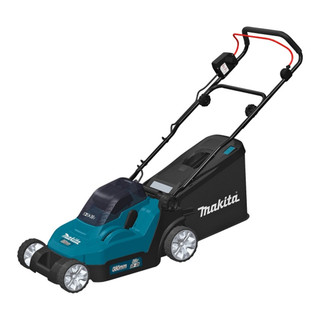
Makita Garden Tools are a strong option for users who want a wide cordless ecosystem and proven outdoor performance. Makita is especially appealing if you already use the brand elsewhere, because staying within one battery platform simplifies charging, storage, and expansion. For homeowners who want dependable cordless mowing, trimming, blowing, and cutting, Makita is often an easy recommendation.
DeWalt Gardening is another excellent choice for users who want powerful cordless equipment with strong brand recognition and wide trade appeal. DeWalt tools suit serious DIY users, busy homeowners, and professionals who want robust garden power tools that can sit alongside the rest of a DeWalt kit. If you like the idea of fewer cables and practical cordless performance, DeWalt deserves a close look.
Milwaukee Outdoor & Gardening stands out for users who value durability, ergonomic design, and a professional feel. Milwaukee is particularly attractive to trade users and landscapers because the range extends beyond powered kit into outdoor hand tools as well. That makes it easier to build a more joined-up system for cutting, finishing, and site-style outdoor work.
For manual tools, Fiskars remains one of the most recognisable names in the sector. Fiskars is especially strong in pruning, cutting, axes, and general gardening hand tools. The appeal here is long-lasting blades, good ergonomics, and the sort of straightforward reliability that suits both beginners and experienced gardeners. If your focus is hand tools for gardening rather than heavier machinery, Fiskars is a very safe place to start.
Hyundai Garden Machinery is worth considering if you need bigger garden equipment and want practical value for money. Hyundai’s range is often attractive to homeowners with larger plots and to users who want capable machinery without jumping straight to premium trade pricing. It is a sensible brand to consider when lawn maintenance, tilling, clearing, or heavier seasonal work starts to outgrow lighter domestic kit.
Bahco is another trusted name, particularly for cutting tools, saws, and hand tool quality. If your work leans towards pruning, fine cutting, and day-to-day manual maintenance, Bahco has a strong reputation for reliable performance and durable construction. It is a good example of a brand that suits both the gardener who wants better precision and the professional who depends on tools every day.
The key point is not to choose a brand purely on name recognition. Think about the type of work you do most often, whether you want to build around a cordless platform, and how much value you place on ergonomics, durability, and future expansion. Toolden’s range makes it easier to compare those options and choose the brand that genuinely fits your needs.
Conclusion
Choosing the right lawn and garden tools is one of the simplest ways to make outdoor work safer, quicker, and more satisfying. A smart toolkit helps you get better results, whether you are mowing a lawn, planting out borders, shaping hedges, feeding turf, or carrying out larger landscaping projects. It also helps reduce fatigue and improves consistency, which matters just as much for occasional DIY jobs as it does for regular professional work.
For beginners, the best approach is to start with the essentials. Build around versatile hand tools, add the core lawn care tools you will use most often, and only move into more specialist equipment when your garden or workload really calls for it. That keeps spending focused and helps you learn what each tool is truly for. As your confidence grows, you can expand into more powerful and more specialised equipment for pruning, ground work, application, and structural landscaping.
It also pays to understand the brands behind the tools. Choosing well-made equipment from reliable names can improve comfort, durability, and long-term value. Whether you prefer cordless garden power tools, dependable manual cutters, or tough landscaping equipment, knowing which brands align with your needs makes future buying decisions much easier.
If you are ready to upgrade your setup, explore Toolden’s range of gardening tools, lawn maintenance equipment, garden machinery, hand tools, and power tools. From gardening tools for beginners to heavy-duty tools for landscapers, Toolden offers a practical, trusted place to build a toolkit that works.
Need some help with your order? Our new help centre has a wide range of helpful articles and guides!
If you have any additional queries, please do not hesitate to contact us below: