
How To Clean a Lawn Mower: A Practical Step-by-Step Guide (Including Carburettor Cleaning)
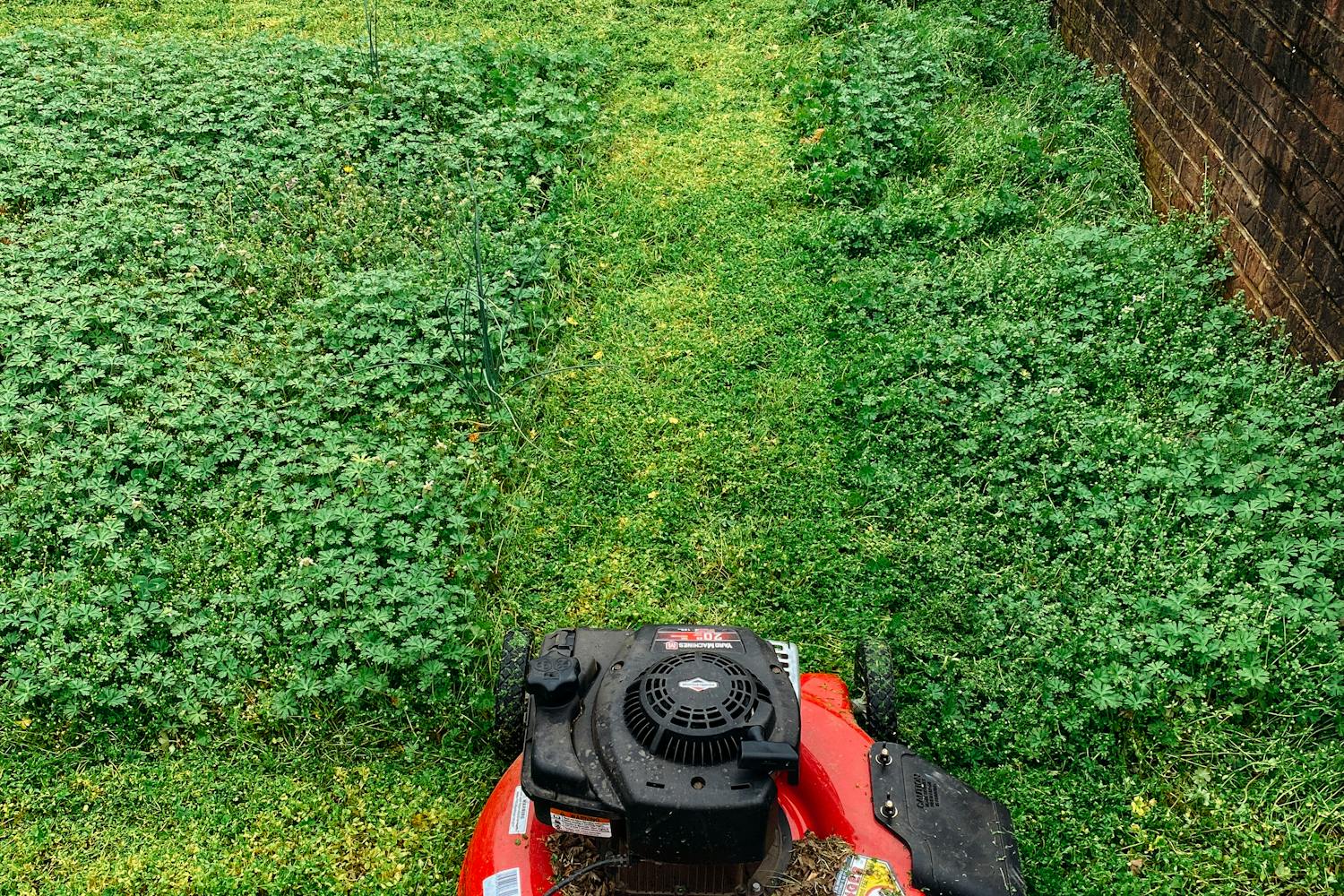
A clean lawn mower is easier to run and more reliable. It starts better, cuts more evenly, and avoids common issues like clogged decks, rust, and poor airflow. If you’ve ever turned a mower over and found a thick layer of wet grass stuck underneath, that’s the problem. It holds moisture, causes corrosion, and reduces cutting performance.
Cleaning after each use makes a difference. Fresh clippings are easy to remove. Leave them and they dry into a hard layer that takes far more effort to clear. On petrol mowers, neglect can also lead to starting problems and rough running, especially if fuel and the carburettor aren’t kept in check. A clean mower also tends to run more efficiently, as the engine isn’t working against blocked airflow or extra resistance.
This guide covers how to clean a lawn mower properly, including the deck, grass box, and air filter. It also explains how to clean a carburettor if starting issues point to fuel build-up. Different mower types are covered too, from petrol and cordless to robotic, so it can be used as a simple reference.
If you’re thinking about upgrading or replacing your mower, it’s worth comparing options based on how easy they are to maintain as well as how they cut.
If you are looking to upgrade or replace your machine, browse Toolden’s range of lawn mowers for petrol, electric, and cordless options.

Shop All Lawn Mowers
Equipment you need to clean properly
Before you start cleaning lawn mowers, set yourself up with the right kit. The aim is to remove grass, mud, sap, and oily residue without damaging paint, seals, belts, bearings, or electrical parts.
Safety first
- Work outside or in a well-ventilated area.
- Let the mower cool completely if it has been running.
- Keep ignition sources away from petrol fumes and cleaning sprays.
- Wear gloves and (ideally) eye protection, especially if you are using a spray cleaner.
What you’ll need
- Protective gloves: You will be handling sharp blades and grimy build-up. A snug, grippy pair makes the job safer and more comfortable. Toolden has a full range of work gloves.
- Stiff, dry brush: Great for knocking off dry clippings and soil before you introduce water. Browse brooms and cleaning brushes for stiff-bristle options.
- Microfibre towel or cloth: For wiping down the top cover, handles, wheels, and drying. Toolden’s cloths and rolls section includes microfibre-style cleaning cloths.
- Garden hose: Rinsing the deck and basket is faster with a steady flow of water. If you need one, see Toolden’s watering, hoses and reels.
- Plastic scraper: A plastic edge helps lift compacted grass without gouging the deck coating. If you do not have a dedicated plastic scraper, pick a suitable option from Toolden’s scrapers.
- Cleaning spray for carburettor (petrol mowers): If you are doing carburettor cleaning for lawn mower performance issues, use a purpose-made carburettor cleaner spray. A good example is Sealey SCS013S Throttle Body & Carburettor Cleaner 500ml, designed to remove gum and deposits and help improve performance and economy.
Optional but useful:
- A shallow tray or old washing-up bowl (to catch debris and drips).
- A small socket/spanner set for removing covers (if your model requires it).
- Compressed air (handy for drying and clearing vents, used carefully).
Cleaning the different parts of a lawn mower
This section covers the core of cleaning lawn mowers: the deck, top side, collecting basket, and air filter (petrol mowers). Do these regularly and you will prevent most common issues.
1) Cleaning the lawn mower deck (underside)
A clogged deck is the biggest culprit behind uneven cutting, poor collection, and extra strain on the motor. Cleaning the mower deck is mainly about removing compacted grass and letting everything dry completely.
Step-by-step:
- Disconnect the power
- Corded electric: unplug from the mains.
- Cordless/battery: remove the battery.
- Petrol: turn off, then remove the spark plug lead (or follow your manual’s safe-isolation method).
- Tip the lawn mower correctly
- This matters most for petrol mowers. Tipping the wrong way can let oil or fuel migrate into places it should not, contributing to smoke, hard starting, or a flooded carb. As a rule of thumb, tip so the air filter and carburettor side stays up. If you are unsure, check your manual.
- Scrape first, rinse second
- Use your plastic scraper to lift the thick layer of grass from the deck and around the chute. Work slowly and keep fingers away from the blade edge.
- Brush away loose debris
- A stiff, dry brush helps remove the remaining dry clippings and soil.
- Rinse with water
- Use a garden hose with moderate pressure. Avoid blasting bearings, belts, or any electrical housings. The goal is a rinse, not a pressure-washer assault.
- Dry completely
- Wipe what you can reach with a cloth, then let the mower air-dry before storage. Trapped moisture is what turns a dirty deck into a rusty deck.
Extra deck tip (for “spray for lawn mower deck” searches):
If the underside is oily or coated in sticky sap, a light mist of a mild cleaner applied with a hand sprayer can help lift grime. Use a dedicated garden sprayer if you have one, rinse thoroughly, and keep spray away from engine intakes and electrics. Toolden stocks garden sprayers for controlled application.
2) Cleaning the top side (housing, handles, wheels)
The top collects dust, pollen, and grass juice that can stain plastics and corrode fasteners over time. It is also where vents and controls live, so do not soak it.
Step-by-step:
- Brush off loose grass and dust.
- Wipe down with a slightly damp microfibre cloth.
- For stubborn marks, use a little soapy water on the cloth (not poured directly on the mower).
- Dry with a clean cloth.
If your mower has cooling vents (electric and cordless models often do), keep them clear with a dry brush so the motor can breathe.
3) Cleaning the collecting basket
A clogged or damp basket reduces airflow, harms collection performance, and can encourage mould and smells if stored wet.
Step-by-step:
- Remove the basket from the lawn mower.
- Hose it down to rinse away loose clippings.
- Use a brush to remove packed grass from corners and mesh.
- Let it dry completely before reattaching or storing.
If you do not dry the collecting basket, it can stay damp for days, which is a fast track to musty odours and early fabric breakdown.
4) Cleaning the air filter in petrol lawn mowers (paper vs foam)
A blocked air filter makes the engine run rich, start poorly, and lose power. It can also increase fuel use. This is a key part of lawn mower maintenance tips for petrol machines.
Paper air filter
- Remove the cover.
- Inspect the filter for holes, tears, or heavy contamination.
- If damaged, replace immediately.
- Hold it up to the light. If you cannot see light through it, replace it.
- If it is only dusty, use a soft brush to remove surface dust.
Do not wash a paper filter. Water damages the fibres.
Foam air filter
- Remove the cover.
- Inspect for splits or crumbling foam.
- Rinse with water (a garden hose is fine).
- Squeeze gently (do not wring aggressively) and allow it to dry fully before refitting.
Some foam filters are designed to be lightly oiled after cleaning. Follow your mower’s manual if that applies.
How to clean different types of lawn mowers
Different machines need different cleaning approaches. The main differences come down to fuel systems, electrical components, and water tolerance.
Petrol lawn mowers
Petrol machines are robust, but they have more service items: deck, air filter, spark plug, and fuel system components like the carburettor. If you are searching “lawn mower maintenance” or “cleaning the carburettor on a lawn mower”, petrol models are usually the reason.
Best practice:
- Clean the deck after every mow.
- Keep the air filter clean and dry.
- Avoid hosing the engine area.
- Pay attention to fuel freshness, especially before storage.
If you are shopping for petrol options, Toolden’s Hyundai lawnmowers range is a good place to start.
Electric lawn mowers (corded)
Corded electric mowers are simpler: no fuel, no carburettor, no oil changes. Cleaning is mainly about the deck and airflow vents.
Best practice:
- Unplug before any cleaning.
- Never spray water into vents, switches, or cable entry points.
- Keep the underside clean to maintain cut quality and reduce strain on the motor.
Cordless/battery-powered lawn mowers
Cordless models combine the convenience of electric with the freedom of petrol. Cleaning is similar to corded electric, but battery care is part of lawn mower care tips.
Best practice:
- Remove the battery before cleaning.
- Keep battery contacts dry and free of grass residue.
- Brush away debris around the battery bay and vents.
For cordless options and other mower brands, browse Toolden’s main lawn mowers category.
Robotic lawn mowers
Robotic mowers are all about sensors, wheels, and consistent cutting. They are also the least forgiving if you get water into the wrong place.
Best practice:
- Power down before cleaning (follow the manufacturer instructions).
- Use a dry brush and a damp cloth, not a hose.
- Clean around the blade area carefully, as small blades can still cut.
- Wipe sensors and charging contacts gently so docking remains reliable.
- Check for wound-up grass around wheels and axles.
If your robot mower manual warns against water jets, take it seriously. A “quick blast with the hose” can turn into an expensive repair.
Tips for deep cleaning a lawn mower (including carburettor spray use)
Deep cleaning is what you do when routine cleaning has slipped, the mower is going into storage, or performance has dropped. This is also where carburettor cleaning for lawn mower starting issues fits in.
1) Remove debris properly (do not just rinse it)
If the underside is heavily packed:
- Scrape the thick layer first.
- Brush out the chute and discharge path.
- Rinse lightly and dry thoroughly.
If you are replacing worn parts while you are there, Toolden’s gardening power tool accessories include mower-related spares like blades and other consumables.
2) How to use a carburettor spray correctly (how to clean a carb on a lawn mower)
If you are dealing with hard starting, surging, stalling, or inconsistent running, you may be looking at a dirty carburettor (carburetor). That is where “how to clean carb on lawn mower” searches come from.
Common signs the carburettor may be dirty:
- The mower starts, then dies.
- It only runs with choke on.
- It surges up and down at idle.
- It has been stored with petrol in the tank for weeks or months.
How to clean a lawn mower carburettor (basic approach):
- Safety: engine off and cool, spark plug lead removed, work in fresh air.
- Access: remove the air filter cover and air filter to expose the carb intake.
- External clean: brush away loose dirt so nothing falls into the intake.
- Spray carefully: use a carburettor cleaner spray into the carb throat and around linkages (avoid soaking plastics and keep spray away from electrical components).
A purpose-made option is Sealey SCS013S Throttle Body & Carburettor Cleaner 500ml, formulated to remove gum and deposits and help improve performance and economy. - Let it work: allow the cleaner to loosen residue as per the product instructions.
- Reassemble: refit the air filter and cover.
- Test run: reconnect the plug lead and start the mower.
How to clean a carburettor on a lawn mower (deeper clean):
If the basic spray-through does not help, the internal jets or bowl may be clogged. That typically involves removing the carburettor, disassembling it, cleaning jets, and replacing gaskets if needed. If you are not comfortable doing that, it is a sensible point to involve a technician, because small parts and incorrect reassembly can create new issues (leaks, poor tuning, or damage).
3) Prepare the machine for long-term storage
For end-of-season lawn mower care:
- Clean the deck, basket, and top thoroughly.
- Dry everything completely.
- For petrol mowers, avoid leaving old fuel sitting in the system.
- Store in a dry place, not directly on damp concrete if you can avoid it.
- Fold handles carefully (do not kink cables or pinch control lines).
The big win here is preventing rust and preventing fuel-related carburettor problems when spring returns.
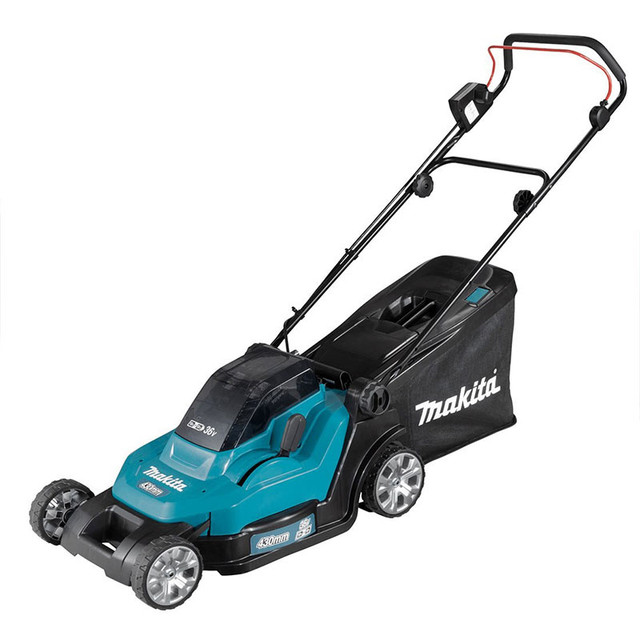
Shop Makita Lawn Mowers!
Shop DeWalt Lawn Mowers!
Shop Milwaukee Lawn Mowers!
FAQ
How often should I clean my lawn mower?
For best results, do a quick clean after every mow: brush off clippings and scrape the underside if needed. Then do a more thorough clean (deck rinse, basket wash, wipe-down) every few uses, or whenever conditions are wet and clumpy.
How to check if the carburettor is dirty and tips on cleaning it?
If a petrol mower is hard to start, runs unevenly, stalls, or only runs with choke, the carburettor may have gum or debris. Start with fresh fuel and a clean air filter, then try carburettor cleaner spray for lawn mower use through the intake. If symptoms persist, the carb may need a deeper strip-down clean. A dedicated product like Sealey SCS013S Throttle Body & Carburettor Cleaner 500ml is designed for removing deposits.
What happens if I don’t clean the collecting basket?
A clogged basket reduces airflow, so the mower struggles to collect grass properly. If stored wet, it can develop mouldy odours and the mesh can degrade faster. In short: poorer performance now, and a shorter lifespan later.
Conclusion
Cleaning a lawn mower isn’t about making it spotless, it’s about doing it regularly. A quick scrape and brush after each cut stops the deck clogging, reduces moisture build-up, and keeps the cut consistent. Wiping it down protects the casing and controls, and a clean grass box helps airflow so clippings don’t bunch up.
On petrol mowers, basic checks go a long way. Keep the air filter clean and don’t leave old fuel sitting in the system. These small habits prevent most of the common running issues.
If you start seeing fuel-related problems, cleaning the carburettor can help. Even a simple clean with the right spray can improve starting and smooth out running, especially after the mower has been stored.
Keep the routine simple and consistent. You’ll get better cuts, fewer issues, and a longer lifespan out of the machine. When it’s time to replace it, choose something that suits your garden and is easy to maintain. Explore Toolden’s selection of lawn mowers and pick the right type for your garden and mowing style.
Need some help with your order? Our new help centre has a wide range of helpful articles and guides!
If you have any additional queries, please do not hesitate to contact us below: