
What Chainsaw to Buy? A Practical Guide to Chainsaw Types, Uses and Must‑Have Accessories
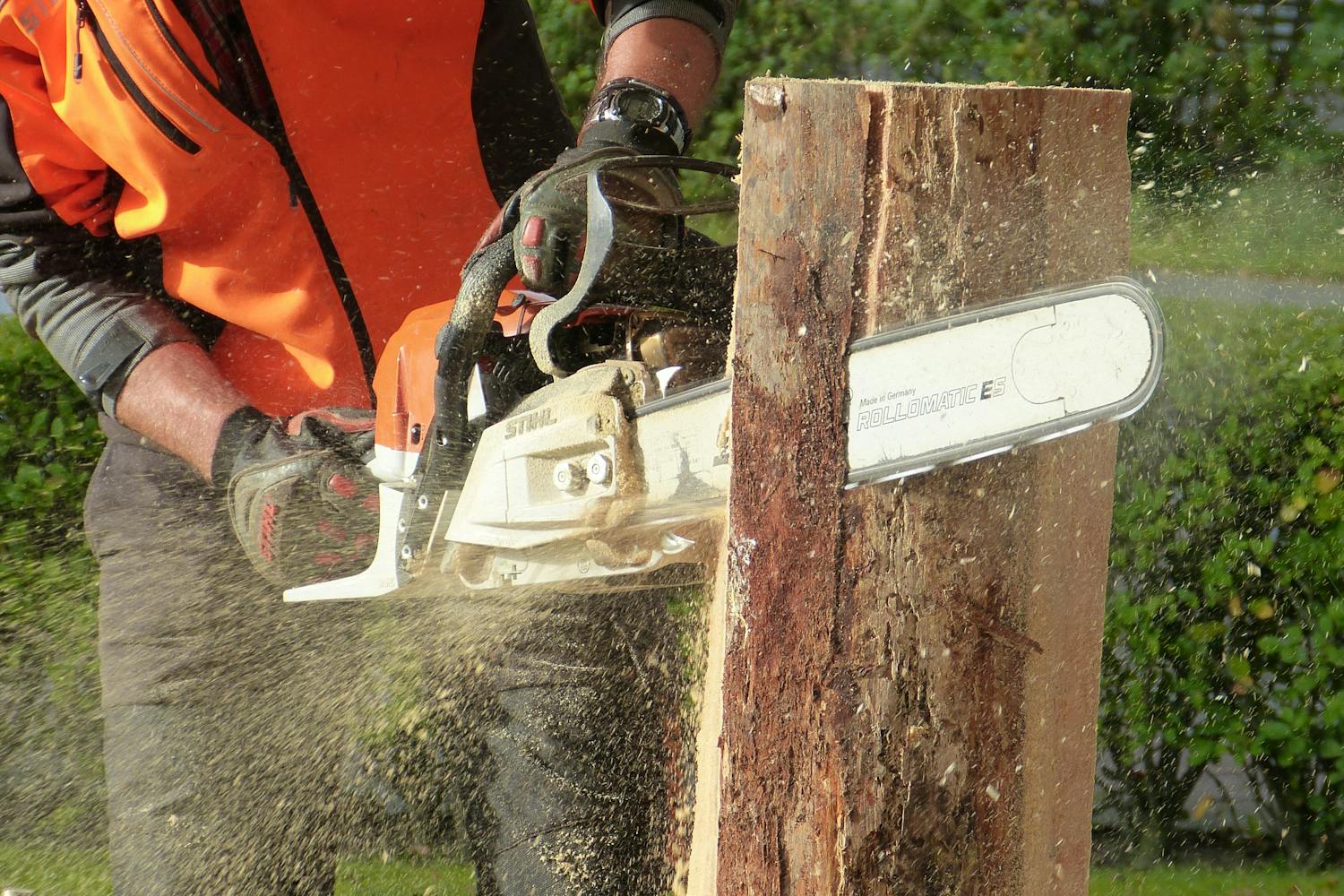
Buying a chainsaw is one of those decisions that feels simple until you start comparing power sources, bar lengths, chain types, and “extras” like oils, sharpeners and protective kit. The good news is that once you match the saw to the jobs you actually plan to do, the “right” choice usually becomes obvious.
If you want to browse what’s available first, start with Toolden’s main Chainsaws category. From there, you can narrow down to petrol chainsaws, cordless chainsaws, electric chainsaws, and specialist options, plus essentials like chainsaw chains and chain oil.
In this guide, we’ll break chainsaws down in two ways:
- By power source (petrol, cordless, corded electric, manual)
- By application (pole and telescopic, top‑handle arborist, mini chainsaw and small chainsaw options)
Along the way, you’ll also see recommended brands and popular models from Toolden’s range, plus how to choose your first saw safely and sensibly.
Shop All Chainsaws
Chainsaws by Power Source
Petrol Chainsaws
Petrol chainsaws are built for maximum cutting performance and long sessions where you cannot rely on mains power. They’re especially popular for heavy-duty work, rural settings, larger gardens, and any job where mobility matters but you still need serious power.
If you already know petrol is the way you want to go, jump into the Chainsaws range and keep an eye on engine size (cc), bar length, weight, and vibration control.
Primary uses for petrol chainsaws
Petrol saws are a strong fit for:
- Cutting and processing firewood for logs and stoves
- Felling small to large trees (where legal and appropriate)
- Sectioning fallen timber after storms
- Tackling dense, hardwood cuts that slow down lighter saws
- Longer sessions where battery swaps would be inconvenient
- Remote work where there is no easy access to charging
- High-load tasks like rough milling setups (more on chainsaw mills later)
Pros
- Excellent power and torque for demanding cuts
- True mobility with no cord
- Wide range of engine sizes to match light to professional work
Cons
- Generally heavier than cordless and electric chainsaws
- Louder in use
- More maintenance: fuel mix (for 2-stroke), filters, spark plug checks, and regular cleaning
- Exhaust emissions, so less pleasant for close-to-home work
Recommended brands (and why)
- Hyundai Chainsaws
A strong choice if you want robust petrol performance aimed at heavier garden and land work. - Draper (paired with the main Chainsaws category)
Draper is well known for practical tools at approachable price points, including petrol saw options suited to home and light trade needs.
Recommended petrol chainsaw models
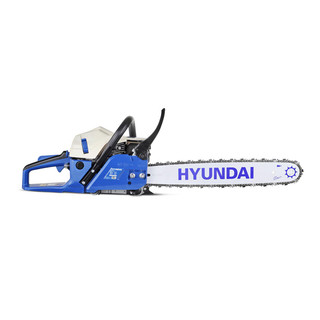
- Hyundai HYC6200X 62cc 2‑Stroke 20″ Petrol Chainsaw
A bigger, heavy‑duty option designed for tough sawing requirements. A 20″ bar is a good match for larger rounds and substantial timber, and it’s aimed at users who want serious cutting speed and stamina. - Draper 80103 450mm Petrol Chainsaw 45cc 1700W
A mid‑range petrol choice that suits general property work such as cutting logs, removing fallen branches, and tackling thicker garden timber without stepping up to the largest engine sizes. - Draper 15042 250mm Petrol Chainsaw (25.4cc) with Oregon Chain and Bar
A smaller petrol chainsaw aimed at pruning and lighter work where a larger machine is unnecessary. This is one to consider if you want petrol convenience but prefer a more compact, small chainsaw format.
Battery‑Powered (Cordless) Chainsaws
Cordless chainsaws have become a go‑to option for home and garden use because they’re quick to start, easy to maintain, and far quieter than petrol. For most people buying their first saw, a cordless model is often the easiest entry point, especially if you already own batteries on a platform.
You can explore the full range in the Chainsaws category, or browse by ecosystem via brand pages like Makita Chainsaws, DeWalt Chainsaws, and Milwaukee Chainsaws.
Primary uses for cordless chainsaws
Cordless models are ideal for:
- Trimming branches
- Light pruning and shaping work
- Cutting small to medium firewood
- General garden maintenance
- Quick clean-up after wind and storms
- Cutting tasks where low noise matters (neighbours, early starts, residential areas)
Pros
- Portable with no cord
- Quieter than petrol
- Easy starting and less day-to-day maintenance
- Zero exhaust emissions during use
Cons
- Runtime depends on battery capacity and the intensity of the cut
- Typically less suitable than petrol for all-day heavy cutting unless you have spare batteries
- High output models can be heavier once a large battery is fitted
Recommended brands (and why)
- Makita Chainsaws
Great if you want a broad battery platform and a strong mix of garden and site tools. - DeWalt Chainsaws
A smart pick if you already use DeWalt cordless tools and want to share batteries across kit. - Milwaukee Chainsaws
Well suited to high-demand users who want a cordless saw that feels more “pro” in use.
Recommended cordless chainsaw models
- Makita DUC353Z Twin 18V LXT Brushless 350mm Chainsaw (Body Only)
A strong all‑rounder if you want cordless freedom with serious cutting capability. Twin battery setups are popular for bridging the gap between standard 18V tools and heavier tasks. - DeWalt DCM565N‑XJ 18V XR Brushless 30cm Chainsaw (Body Only)
A practical choice for trimming and small‑tree work. The 30cm bar length suits a lot of garden jobs, and it’s a sensible small chainsaw option if you want manageable weight and control. - DeWalt DCMCS574N 54V XR Flexvolt 45cm Cordless Chainsaw (Body Only)
A high-output cordless saw designed for tougher cutting, larger timber, and longer sessions. If you want cordless power that leans towards petrol‑like performance, this is the kind of step-up model to compare. - Milwaukee M18FCHS35‑0 FUEL 35cm Bar Chainsaw (Body Only)
A robust cordless option with a bar length that balances control and cutting reach. Ideal if you want a more trade‑oriented cordless chainsaw for regular use.
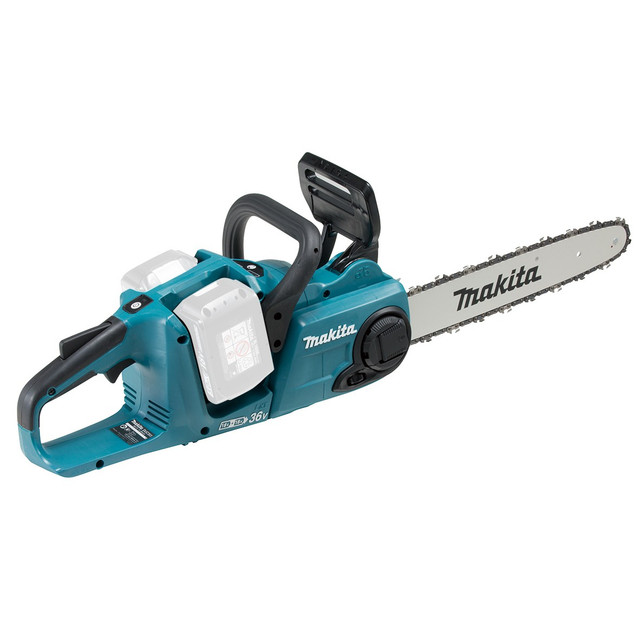
Makita DUC353Z Twin 18V LXT Brushless 350mm Chainsaw (Body Only)
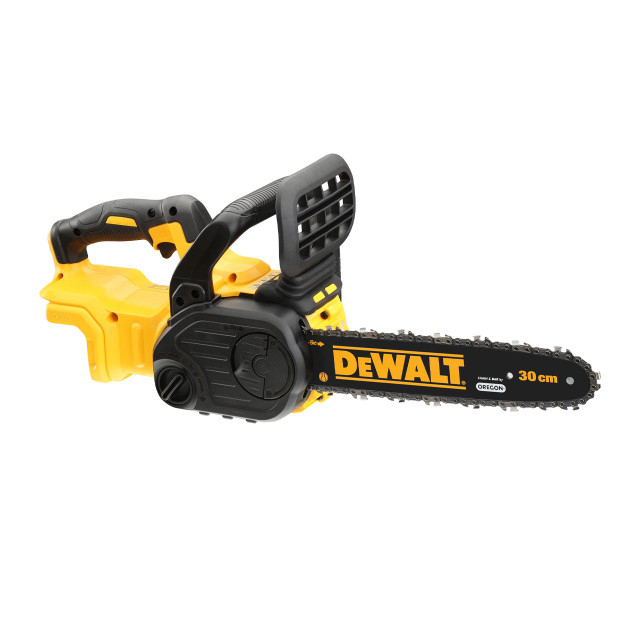
DeWalt DCM565N‑XJ 18V XR Brushless 30cm Chainsaw (Body Only)
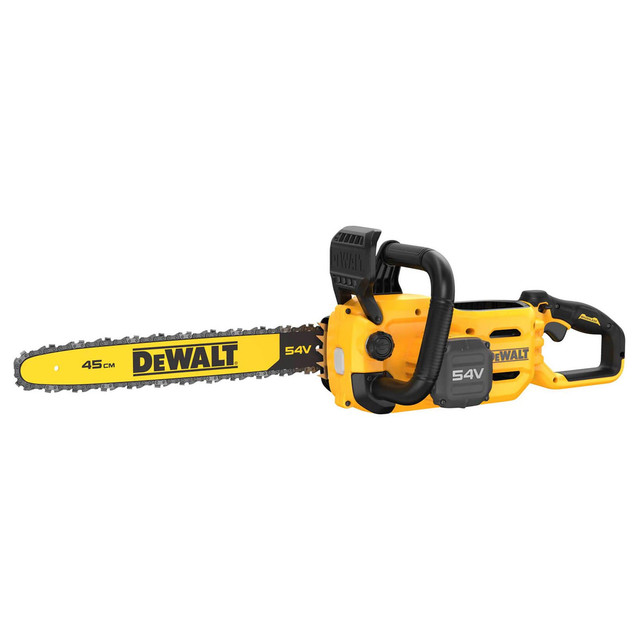
DeWalt DCMCS574N 54V XR Flexvolt 45cm Cordless Chainsaw (Body Only)
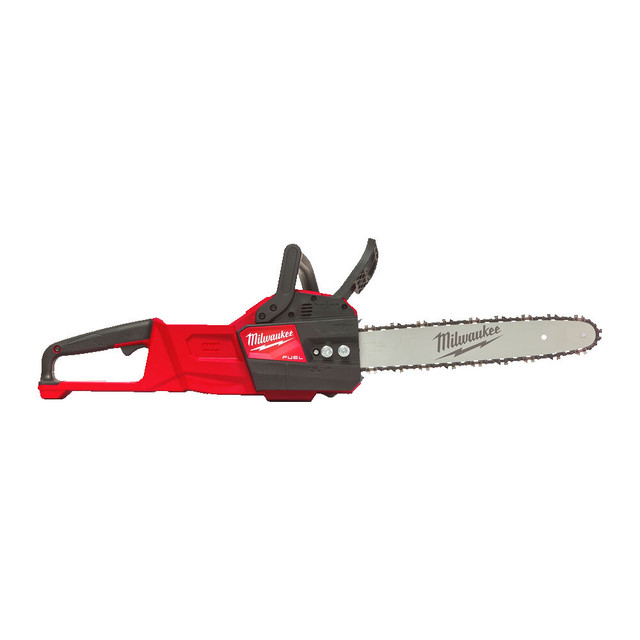
Milwaukee M18FCHS35‑0 FUEL 35cm Bar Chainsaw (Body Only)
Read more
If you’re leaning cordless and want a curated shortlist, see Top 5 cordless chainsaws for safe and efficient tree cutting.
Corded Electric Chainsaws
Electric chainsaws (corded) are often the simplest to live with. Plug in, fill chain oil, and cut. They’re typically lighter than petrol models, they do not need battery charging, and they’re ideal for consistent jobs near the house where power is available.
Corded options sit alongside other saw types in Chainsaws.
Primary uses for corded electric chainsaws
Corded electric chainsaws are great for:
- Cutting firewood in the garden where a safe extension lead setup is possible
- Routine branch cutting and garden clearance
- DIY property maintenance (fence posts, timber trimming, small tree sections)
- Users who want predictable runtime without batteries or fuel
Pros
- Generally lighter than petrol chainsaws
- Quieter operation
- Simple start and steady power delivery
- Low maintenance compared with petrol
Cons
- Mobility limited by the extension lead and power source
- Not ideal for remote work
- Less suitable for very thick hardwood cutting compared with petrol or high output cordless
Recommended brands (and why)
- Makita Chainsaws
Makita’s range includes corded options that suit regular garden use and controlled cutting. - Black & Decker (paired with Chainsaws)
A familiar home-and-garden brand with corded saw options that focus on ease of use.
Recommended corded electric chainsaw models
- Black & Decker CS2245‑GB 450mm Chainsaw 2200W 230V
A high‑wattage corded saw with a longer bar length, suited to bigger garden cuts and regular log processing near the house. - Makita UC4041A 240V 40cm Electric Chainsaw
A strong option if you want a quality corded saw for repeated use, with a bar length that covers most household timber jobs. - Makita UC3551A 110V 35cm Electric Chainsaw
A site-style 110V variant that can suit specific work environments where 110V tools are standard, while still delivering corded consistency.
Manual Chainsaws
A manual chainsaw can mean a few different things in everyday language. Some people mean a pocket chain saw (a hand‑powered chain), while others are really looking for manual pruning saws and bow saws that do the same garden jobs without a motor.
If your main goal is occasional pruning, clean cuts on branches, and minimal maintenance, it’s worth browsing Pruning Saws as well as the powered Chainsaws category.
Primary uses for manual saw options
Manual tools make sense for:
- Light pruning and trimming
- Cutting branches where precision matters more than speed
- Quiet garden work with minimal disruption
- Lightweight carry for allotments, camping, and quick tidy-ups
- Users who want a safer, slower cutting pace than powered chainsaws
Pros
- Very portable and lightweight
- Quiet
- Minimal maintenance and no charging or fuel
- Usually lower cost than powered chainsaws
Cons
- Far slower than powered chainsaws
- More physical effort
- Not suited to heavy firewood processing or thick trunks
Recommended brands (and why)
- Bahco Gardening
Known for practical, dependable cutting tools that are easy to live with. - Fiskars
A strong choice for ergonomic tools and clever designs aimed at comfortable use. - Roughneck
Great for tough, no‑nonsense hand tools suited to demanding garden work. - Kent & Stowe
A good fit for garden hand tools designed for everyday home use.
Recommended manual “chainsaw” alternatives (manual pruning saw models)
- Bahco 396‑LAP Laplander Folding Pruning Saw 190mm
A compact folding saw that’s easy to carry and ideal for quick branch cuts with good control. - Roughneck 66‑800 Gorilla Fast Cut Pruning Saw 350mm
A longer manual saw that suits thicker branches, giving you more reach and faster cuts than smaller folding options. - Fiskars Xtract SW73 Garden Pruning Saw 160mm
A compact, tidy design that’s well suited to pruning and controlled cuts. - Kent & Stowe K/S70100446 Turbo Folding Saw
A handy folding saw for general garden pruning where you want something simple, light, and easy to store.
If you’re still unsure whether you need powered cutting at all, starting with a quality manual saw can be a surprisingly good first step.
Specialty Chainsaws
Pole, Telescopic and Extendable Saws
Pole and extendable saws are designed for one job: reaching branches you would rather not climb for. Some are powered pole saws (essentially a small chainsaw head on a long shaft), while others are manual pruners with extendable reach.
If height and access are the challenge, this is often the safest “first upgrade” before you consider ladders and risky cutting positions.
Primary uses
- Pruning or trimming higher branches from ground level
- Reaching over shrubs, fences, and awkward spots
- Cutting small limbs safely without climbing
Pros
- Extended reach for higher branches
- Keeps you on the ground, which improves safety
- Great for routine seasonal pruning
Cons
- Typically less powerful than a standard chainsaw
- More tiring overhead, even with lighter units
- Not suitable for heavy cutting or large trunk work
Recommended brands (and why)
- Hyundai Chainsaws
Ideal if you want a petrol-powered reach tool aimed at demanding garden work. - Milwaukee Chainsaws
Useful if you like modular cordless systems and attachments. - Fiskars
Great for manual reach tools where simplicity and control matter.
Recommended pole and extendable saw models
- Hyundai HYPS5200X 52cc 2‑Stroke Long Reach Petrol Pole Saw/Pruner/Chainsaw
A petrol-powered long reach option designed to tackle hard-to-reach branches with serious cutting power. - Milwaukee M18FOPH‑CSA Quik‑Lok Chainsaw Attachment
A modular attachment that makes sense if you already run a compatible power head and want reach cutting as part of a multi-tool setup. - Fiskars PowerGear X Telescopic Tree Pruner
A manual telescopic solution for pruning and trimming without fuel, noise, or charging.
Professional Top‑Handle and Arborist Saws
A top-handle chainsaw is designed for trained users working in trees and tight positions, commonly for arborist tasks. They’re compact, powerful, and made for all-day productivity, but they are not beginner-friendly. If you’re new to chainsaws, a rear-handle saw is usually the safer place to start.
If you’re buying for professional use, it’s still smart to compare models in the main Chainsaws category and then filter by the type of work you do most.
Primary uses
- Professional arborist work (tree surgery and sectioning)
- Controlled cuts in tight positions
- Frequent cutting where productivity and ergonomics matter
Pros
- Built for durability and regular use
- Compact format for manoeuvrability
- High productivity when used correctly
Cons
- Requires experienced handling and proper training
- More maintenance than casual-use tools
- Not ideal as a first chainsaw for general garden work
Recommended brands (and why)
- Milwaukee Chainsaws
Strong cordless pro options, including top-handle formats. - DeWalt Chainsaws
Good if you need professional performance and already run XR or Flexvolt batteries. - Makita Chainsaws
A sensible pick for pros who want a large ecosystem and dependable serviceability.
Recommended models to compare for professional use
- Milwaukee M18 FTHCHS30‑0 Top Handle Chainsaw (Body Only)
A true top‑handle format designed for professional handling and demanding use. - DeWalt DCMCS574N 54V XR Flexvolt 45cm Cordless Chainsaw (Body Only)
Not a top-handle, but a serious professional-grade cordless option to compare if you want power for heavy cutting. - Milwaukee M18FCHS35‑0 FUEL 35cm Bar Chainsaw (Body Only)
A tough cordless rear-handle saw that suits frequent cutting and heavier garden work. - Makita DUC353Z Twin 18V LXT Brushless 350mm Chainsaw (Body Only)
Another popular “workhorse” cordless option if you want high capability and a widely used battery platform.
Mini Chainsaws
A mini chainsaw is usually a compact pruning saw or a very small-bar cordless chainsaw designed for quick cuts, tight spaces, and light trimming. If you’ve got lots of small jobs, a mini chainsaw can be genuinely useful because it’s quicker than hand tools but far less intimidating than a big petrol saw.
For broader options, start from Chainsaws and then compare compact models by bar length and weight.
Primary uses
- Pruning and trimming in tight spaces
- Quick cutting tasks around the garden
- Cutting small limbs and branch sections
- Lightweight use where control matters more than reach
Pros
- Light and easy to manoeuvre
- Fast setup for quick jobs
- Great “second saw” even if you already own a larger model
Cons
- Limited bar length and cutting capacity
- Not designed for large rounds or trunk work
- Still requires full chainsaw safety habits
Recommended brands (and why)
- Makita Chainsaws
Strong compact cordless options, including pruning saw formats. - DeWalt Chainsaws
Good small chainsaw options if you want to stay on the XR or Flexvolt platform. - For manual mini “chainsaw” alternatives, it’s worth browsing Pruning Saws too.
Recommended mini and small chainsaw models
- Makita DUC150Z 18V LXT Brushless Pruning Saw 150mm (Body Only)
A true mini chainsaw style tool aimed at pruning. Ideal when you want fast, neat cuts without hauling out a full-size chainsaw. - DeWalt DCM565N‑XJ 18V XR Brushless 30cm Chainsaw (Body Only)
A compact, small chainsaw option that still feels like a “proper” chainsaw for light tree work and general maintenance. - Draper 15042 250mm Petrol Chainsaw (25.4cc)
A smaller petrol option if you want petrol convenience in a more compact format for pruning and lighter cuts. - Bahco Laplander Folding Pruning Saw
Not powered, but an excellent ultra-portable alternative when you want compact cutting with minimal fuss.
How to Choose Your First Saw: A Step‑by‑Step Guide
Use this quick checklist to narrow down your best match.
- Step 1: List your real jobs
Pruning? Firewood? Storm clean-up? Occasional DIY? Your tasks choose the saw more than the marketing does. - Step 2: Decide where you’ll use it
Near a plug, corded electric is tempting. Remote locations push you towards petrol or cordless. - Step 3: Choose a power source you can live with
Petrol for maximum power, cordless for convenience, electric for simplicity, manual for light work. - Step 4: Pick a sensible bar length
Longer is not always better. A shorter bar can be safer and easier to control for beginners. - Step 5: Think about weight and handling
A slightly less powerful saw that you can control well is often the better purchase. - Step 6: Check chain tensioning and oiling features
Tool‑free chain tensioning and automatic oiling can make life much easier. - Step 7: Plan your accessories upfront
Add chainsaw chain oil, consider a chainsaw chain sharpener, and keep a spare chain handy. - Step 8: Buy the safety kit before you need it
Look at PPE and treat it as part of the saw purchase, not an optional extra.
Protective Work Equipment
Chainsaws are not forgiving tools. Protective equipment reduces risk dramatically, and it also tends to make you a calmer, more controlled operator.
At minimum, consider browsing Toolden’s PPE before your first cut.
What to look for:
- Chainsaw trousers or chaps: Designed to slow or stop a moving chain if it contacts the leg area.
- Gloves: Improve grip and help protect hands from vibration, splinters, and minor contact injuries.
- Eye protection: Essential for chips, dust, and thrown debris.
- Helmet with visor (and ideally ear protection): Particularly important for overhead work, storm debris, and louder saws.
- Protective footwear: Stable footing is a safety feature. Wet grass, uneven ground and loose logs are common causes of slips.
If you do only occasional garden pruning, you might still be tempted to skip PPE. That’s usually when accidents happen, because “quick jobs” are when people rush.
How to Use a Chainsaw Safely
A full chainsaw safety course is the gold standard, but even as a home user you can dramatically reduce risk by sticking to a few non-negotiables:
- Read the manual for your exact model before use.
- Check chain tension before each session. A loose chain is dangerous and damages the bar.
- Fill bar and chain oil and confirm the oiler is working.
- Clear your work zone: remove trip hazards, keep kids and pets inside.
- Use two hands, always on a standard rear-handle saw.
- Avoid cutting above shoulder height. For high branches, use a pole tool like the Hyundai HYPS5200X pole saw or a manual pruner.
- Stand to the side of the bar, not directly behind it, to reduce the risk of kickback injuries.
- Let the saw do the work: forcing the cut increases kickback risk and heats the chain.
- Cut stable timber only: support the log, stop it rolling, and think about pinch points.
- Stop when tired: fatigue leads to sloppy positioning and poor decisions.
If you’re doing anything beyond basic garden trimming, especially felling, consider training and professional help. It’s not just about skill, it’s about planning and judgement.
Attachments, Accessories and Consumables
Accessories are where chainsaws become easier to live with. They also help you cut better, safer, and with less wear on the saw.
To browse the essentials, start with Gardening Power Tool Accessories.
Chainsaw Mills
Chainsaw mills are attachments that convert a suitable chainsaw into a portable lumber mill, allowing you to cut planks and beams from logs. They’re popular for milling boards on-site where moving heavy timber is difficult.
Key things to know before you commit:
- Milling demands lots of power and a sharp chain
- You’ll use more chain oil and generate more heat
- A stable setup is critical for safety and cut quality
- A longer bar can be useful, but it also increases weight and fatigue
If you’re exploring milling or other add-ons, browse Gardening Power Tool Accessories and consider whether a powerful petrol saw or high output cordless saw is the better base tool.
Chainsaw Chains
Chainsaw chains are not universal. The “right” chain depends on:
- Bar length
- Pitch
- Gauge
- Number of drive links
- The saw model and bar specification
If you’re replacing a chain, matching the existing chain specs is usually the safest route.
A good example of a model-specific chain option is DeWalt DT20692‑QZ Chainsaw Chain 35cm, which is designed to fit specific DeWalt applications.
For a wider selection, browse Gardening Power Tool Accessories alongside the main Chainsaws range.
Chainsaw Chain Sharpener
Sharp chains cut faster, straighter, and with less effort. Blunt chains:
- Create fine dust instead of chips
- Increase the chance of kickback
- Put unnecessary strain on the motor and bar
- Make you push harder, which is when control slips
If you want an easy, consistent sharpening setup, consider an electric sharpener like:
For broader sharpening options (files, stones, general sharpeners), explore Tool Sharpeners & Whetstones.
Chainsaw Chain Oil
Chainsaw chain oil is essential. It lubricates the bar and chain to reduce friction and heat, improving cut quality and extending the life of the bar, chain, and sprocket.
Two straightforward options to compare:
You can also browse more lubrication options under Oil & Lubricants.
Things to Consider Before Choosing Your First Saw
Guide bar length
Bar length should match your typical timber size, not your ambitions. A longer bar can cut larger pieces, but it is harder to control and often heavier.
As a beginner, a shorter bar is frequently the better choice because:
- It’s easier to position accurately
- It reduces fatigue
- It encourages safer cutting habits
Engine displacement (cc) or voltage (V)
- Petrol chainsaws: higher cc generally means more power, but also more weight and fuel use.
- Cordless chainsaws: battery platform and voltage influence output, but battery capacity (Ah) and motor efficiency matter too.
- Corded electric: wattage and build quality often matter more than anything else.
Ease of use matters
Look for features that reduce setup hassle:
- Tool‑free chain tensioning
- Easy oil fill with viewing window
- Simple start procedure (especially important for petrol)
Weight matters: lightweight for better handling
A chainsaw that is “powerful enough” but comfortable is usually the saw you’ll actually use. If you find yourself fighting the weight, you’ll make poorer decisions and you’ll stop enjoying the work.
Safety features for new users
Prioritise:
- Chain brake that stops quickly
- Good grip and hand guard design
- Stable cutting stance and controllability
- Easy stop switch access
Simple controls and low maintenance
This is where cordless chainsaws and corded electric chainsaws shine. Petrol is brilliant, but it asks more of you.
Perfect for light to medium tasks
For most first-time buyers doing garden work:
- A small chainsaw (often cordless) covers the majority of trimming and firewood jobs
- A mini chainsaw or pruning saw can be the perfect companion tool for quick cuts
- Petrol is best saved for heavier, regular cutting or remote work
FAQs
What oil can I use instead of chainsaw oil?
Use proper bar and chain oil whenever possible, because it’s designed to stick to the chain at speed. If you’re in a genuine emergency, a light vegetable oil can work short-term, but it won’t protect as well and may fling off more easily. Avoid used engine oil completely.
If you need the right product, start with chainsaw chain oil or browse Oil & Lubricants.
Can I use a chainsaw in the rain?
It’s best to avoid it. Wet conditions increase slipping risk, reduce visibility, and can make timber behave unpredictably. For electric and cordless chainsaws, rain also adds electrical and battery safety concerns. If you must work in damp conditions, keep it light, prioritise footing, and stop if conditions worsen.
Do I need a chainsaw licence for private use in the UK?
For private, domestic use on your own property, there isn’t typically a specific “chainsaw licence” requirement. However, if you’re using a chainsaw for work, on a jobsite, or as part of employment, training and proof of competence are commonly required by employers and site rules. Regardless of legal wording, training is strongly recommended for safe use.
Can a chainsaw be used to trim hedges?
It’s not recommended. Chainsaws are designed for wood cutting, not shaping hedges. You’ll get ragged cuts, you’re more likely to damage plants, and the risk profile is far higher than using the correct tool. For hedges, a hedge trimmer is the right choice. Use a mini chainsaw or pruning saw only for occasional thicker hedge stems that are more “branch” than “leafy hedge”.
Can anyone use a chainsaw?
Anyone can physically pick one up, but not everyone should. Chainsaws require judgement, safe technique, and proper protective equipment. If you’re inexperienced, start with light pruning jobs, use PPE, and consider a manual option first such as Pruning Saws before moving up to powered chainsaws.
How much bar oil does a chainsaw use?
It varies by saw, oiler setting, chain speed, and timber type. A simple rule of thumb is to check bar oil frequently and refill before it runs low. Many petrol saw users aim to use roughly a tank of chain oil per tank of fuel, but your exact usage can differ. Running dry is one of the quickest ways to wear out a bar and chain.
What is the 6 foot rule for chainsaws?
A sensible minimum is to keep an exclusion zone of at least 6 feet (about 2 metres) around the operator for basic cutting, so no one is close enough to be struck by debris, a moving log, or the saw itself. For felling trees, the safe distance should be far greater, often measured in multiple tree lengths. When in doubt, increase distance and control the area.
How to determine the length of a chainsaw chain?
Chain “length” is usually defined by drive links, plus the chain’s pitch and gauge. The safest way is:
- Check the markings on the bar or in the saw manual (pitch, gauge, drive links).
- If you’re replacing an old chain, count the drive links on the existing chain.
- Match the replacement chain to those exact specs.
If you’re shopping compatible chains, browse Gardening Power Tool Accessories and look for chains that match your saw’s requirements.
Storage, Cleaning and Maintenance Advice
Wondering how to store a chainsaw when not in use? Think clean, dry, protected, and ready for the next session.
Use this checklist:
- Clean after every use: remove chips, dust and oily debris from the body, clutch cover area, and bar groove.
- Inspect the chain: look for dull cutters, damaged links, or uneven wear.
- Chain tension (the “snap” test): with the saw off and cooled, pull the chain away from the bar slightly. It should move freely but sit snugly back into the groove. If it hangs or droops, tension it.
- Bar and chain oil: top up and store with the oil cap closed tight. Consider a drip tray if storing indoors.
- Sharpening: sharpen little and often. If you want an easy option, use a dedicated chainsaw sharpener, or browse Tool Sharpeners for alternatives.
- Store in a dry place: moisture leads to rust on chain and bar.
- Use a scabbard or bar cover: protect the chain and stop accidental contact.
- For petrol saws: don’t leave fuel sitting for long periods. Follow the manufacturer’s guidance for storage intervals and fuel handling.
- For cordless saws: store batteries indoors, dry, and at a sensible charge level, away from extreme heat and cold.
Conclusion
The best chainsaw is the one that matches your real work, your space, and your confidence level.
- Choose petrol chainsaws for heavy cutting, remote work, and longer sessions.
- Choose cordless chainsaws for the best balance of convenience, low maintenance and garden‑friendly use.
- Choose electric chainsaws (corded) for reliable cutting near the house with minimal fuss.
- Choose a manual chainsaw alternative like a pruning saw when you want precision, portability, and quiet control.
- Add essentials like chainsaw chains, chainsaw chain oil, and sharpening tools so your saw stays safe and effective.
When you’re ready to shop, head to the Gardening category and explore the full range, including Chainsaws and the accessories that keep them running smoothly.
Need some help with your order? Our new help centre has a wide range of helpful articles and guides!
If you have any additional queries, please do not hesitate to contact us below: