
What is an Impact Driver? Uses, Features & Expert Guide to This High-Torque Power Tool
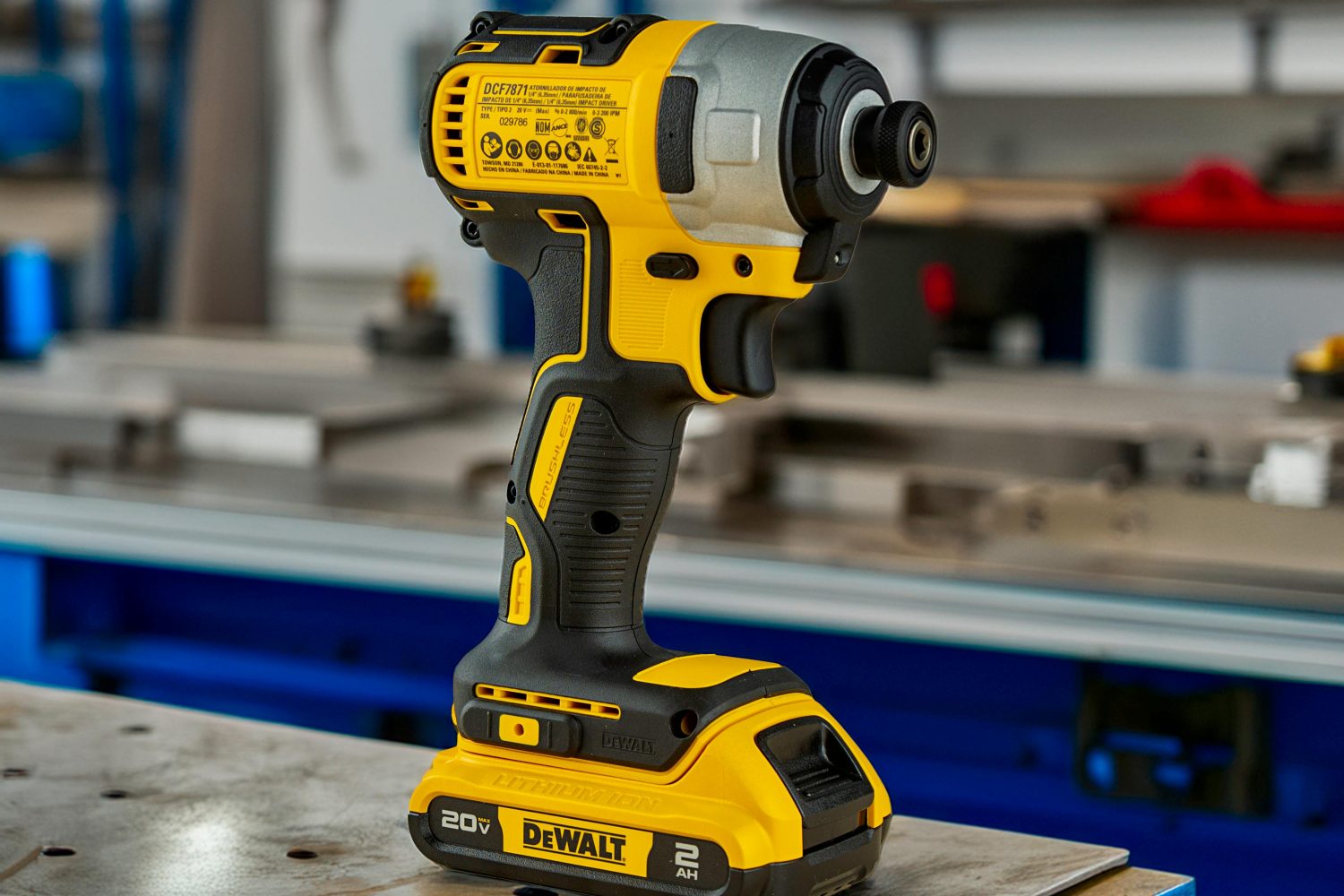
If you have ever tried to drive long decking screws or coach screws with a standard drill, you will know the feeling. The bit slips, the screw head chews up, the drill starts to smoke and your wrist feels every bit of resistance from the timber. That is exactly the kind of job impact drivers were built to make easy.
An impact driver is a compact, high-torque fastening tool that uses a clever internal mechanism to deliver rapid rotational blows while it spins. Instead of simply turning the bit like a normal drill, it applies bursts of torque when it feels resistance. The result is that it drives screws and fixings far more easily, with less strain on your wrist and a much lower chance of stripping the screw head.
In this guide we will answer the two big questions straight on: what is an impact driver and what is an impact driver used for. We will break down how the mechanism works, how it differs from a combi drill and an impact wrench, the key features to look for, and the jobs where an impact driver absolutely shines. Along the way we will highlight leading models and categories available from Toolden’s Impact Drivers range.
What is an Impact Driver and How It Works
A simple definition first:
An impact driver is a power tool designed specifically for driving screws and fixings, using high rotational torque and rapid impacts to do the hard work for you.
Where a standard drill provides smooth, continuous rotation, an impact driver adds a second action when the going gets tough.
The rotational impact mechanism
Inside every impact driver you will find three key components working together:
- Motor – spins a shaft, just like in a drill
- Hammer – a rotating mass that can slide and strike
- Anvil – connected to the chuck that holds your bit
At low load, the hammer and anvil rotate together smoothly. As resistance increases (for example when the screw bites deep into hardwood), the hammer is forced to slip back slightly, then spring forward, striking the anvil. This happens many times per second and each strike adds a burst of extra torque.
This is called a rotational impact mechanism. It is different to the linear hammering in a hammer drill, which punches the bit forwards into masonry. Here, the blows are around the axis of rotation, not along it.
Key consequences:
- The tool keeps turning even under heavy load
- The motor is less likely to stall or overheat
- The user feels less twist in the wrist, because the impacts are internal
- Screws drive faster and with less chance of cam-out
Automatic engagement
There is no extra button to press for the impact action. On a modern impact driver the impacts engage automatically when resistance reaches a certain threshold. Light duty screwdriving feels almost like a normal driver. As soon as you move to longer or thicker fasteners you will hear that familiar “ratatat” as the hammer and anvil get to work.
1/4 inch hex chuck
Instead of a three-jaw drill chuck, impact drivers use a 1/4 inch hex quick-change chuck. Bits with a hex shank slide in and lock with a simple push. This is ideal for:
- Rapid bit changes
- Secure grip under high torque
- Using impact-rated driver bits, nut setters and hex-shank drill bits
Torque is usually expressed either in Newton metres (Nm) or inch pounds (in-lb). Typical 18 V professional impact drivers sit in the 150 to 220 Nm range, equivalent to roughly 1,450 to 2,000 in-lb. Models such as the Makita DTD152Z, DeWalt DCF887N and Milwaukee M18FID3 all fall into this band.
Types of Impact Drivers
Impact drivers are not all the same. Choosing the right style can make a big difference to comfort and performance on site.
Standard impact drivers
This is the classic format most people recognise: pistol grip, trigger, and a stubby nose with a 1/4 inch hex chuck. These are:
- Compact enough for most framing, decking and general construction
- Available in 12 V, 18 V and higher voltages
- Usually the best all round choice for DIY and trade users
Take a look at the full range in Toolden’s Impact Drivers category for a sense of the size and layouts available.
Angled impact drivers
Angled impact drivers or angle attachments place the chuck at 90 degrees to the body. They are designed for:
- Working between joists
- Inside cabinets
- Anywhere a standard driver is too long
You will often see these as part of specialist trade kits or as right-angle attachments compatible with standard 1/4 inch hex impact drivers.
Corded vs cordless impact drivers
Corded impact drivers exist, but in practice cordless tools dominate this category.
Cordless impact drivers:
- Use lithium ion batteries for high power and runtime
- Free you from leads, transformers and extension reels
- Are now powerful enough for almost all construction and installation tasks
Corded models can still make sense on production lines or workshops where constant power and zero downtime matter more than mobility, but for most users an 18V cordless impact driver is the obvious choice.
Brushless impact drivers
Brushless motor technology has transformed modern impact drivers. Brushless models:
- Waste less energy as heat, so more battery power becomes torque
- Run cooler and more efficiently under heavy load
- Have no carbon brushes to wear out, so they last longer with less maintenance
You can see this on real products. The DeWalt DCF887N uses a brushless motor with three speed and torque modes, delivering up to 205Nm while remaining compact and lightweight.
Mini and compact impact drivers
If you work in lofts, cupboards or overhead all day, saving weight and length is massive. Sub-compact and 12V impact drivers:
- Shorten the head length for better access
- Reduce weight, often below 1 kg (bare tool)
- Typically offer lower peak torque, but still plenty for general screwdriving
These mini tools are perfect for electricians, kitchen fitters and anyone who values manoeuvrability ahead of raw power.
Impact Driver vs Similar Tools: The Key Differences
The confusion usually starts here:
- Impact driver vs drill
- Combi drill vs impact driver
- Impact driver vs hammer drill
- Impact driver vs impact wrench
They all spin, some of them hammer, and all of them are used with bits and fasteners. The important distinction is how they apply force and what fixings they are designed for.
Core comparison
| Feature | Impact driver | Standard drill / driver | Hammer drill / combi drill | Impact wrench |
|---|---|---|---|---|
| Primary mechanism | High torque rotational impacts | Continuous rotation | Rotation plus forward hammering into the material | High torque rotational impacts |
| Main function | Driving screws and construction fixings | Drilling holes, light screwdriving | Drilling into masonry and concrete, general drilling | Tightening and loosening nuts and heavy bolts |
| Typical drive type | 1/4 inch hex quick-change chuck | 3 jaw keyed or keyless chuck | 3 jaw keyed or keyless chuck | 1/2 inch or 3/8 inch square drive for sockets |
| Torque measurement | Usually in Nm or inch pounds (in-lb) | Lower torque, often specified in Nm | Similar to drill, limited torque for screws | Newton metres or foot pounds (ft-lb), very high |
| Typical use case | Decking, framing, roofing, structural screws | Pilot holes, smaller screws, light DIY | Drilling anchor holes in brick, block and concrete | Wheel nuts, structural steel bolts, plant, HGV |
| Primary user | Carpenters, builders, serious DIY | General DIY, cabinet makers, light trades | Builders, electricians, plumbers, HVAC installers | Automotive and heavy engineering professionals |
The crucial distinction is in torque and measurement:
- Impact drivers deal mainly in inch pounds (in-lb) or Nm for screws and wood or metal fixings.
- Impact wrenches are rated in foot pounds (ft-lb) or very high Nm for nuts and bolts. One foot pound is twelve inch pounds, so numbers look smaller but the tool is much more powerful.
A 200Nm impact driver is serious power for screws, but a 1,000 Nm impact wrench is a very different animal, designed for wheel nuts and heavy structural fixings.
Impact driver vs drill
A standard drill or drill driver:
- Provides smooth, constant rotation with a clutch
- Is optimised for drilling neat, accurate holes
- Handles light screwdriving well, but struggles with long or thick fixings
An impact driver:
- Adds rotational impacts when resistance increases
- Delivers far higher torque without snatching your wrist
- Is much better at driving long screws, coach screws and structural fixings
Pros of an impact driver compared with a drill
- Much faster for repetitive fastening
- Less chance of stripping screw heads
- More compact body, easier to use in tight spaces
Cons
- Needs hex-shank, impact-rated bits
- Less precise, more aggressive than a drill for delicate work
- Limited for clean, accurate drilling, especially in masonry
Combi drill (hammer drill) vs impact driver
A combi drill combines:
- Regular drill / driver function
- Hammer action for masonry
- Often a decent clutch with multiple torque settings
Use it when you need:
- To drill into brick, block or concrete
- A single tool for drilling and occasional screwdriving
Use an impact driver when you need:
- To drive lots of screws in timber, decking or sheet materials
- High torque in a compact, lightweight package
In practice, many tradespeople carry both. The combi drill handles drilling and light screws, while the impact driver takes over for structural fixings. Toolden’s own comparison article on combi drill vs impact driver vs impact wrench goes into more depth on this point.
Impact driver vs impact wrench
This is where torque gets serious.
An impact wrench:
- Uses a square drive (typically 1/2 inch) for sockets
- Produces much higher torque, suitable for nuts and bolts
- Is the go to for automotive work, plant maintenance and structural steel
An impact driver:
- Uses a 1/4 inch hex drive for bits and small nut setters
- Can sometimes handle small bolts or coach screws with the right bit
- Is not ideal for wheel nuts or high torque bolts
As a rule:
- If you are working mainly with screws and small coach screws, choose an impact driver.
- If you are working mainly with nuts, bolts and wheel studs, choose an impact wrench.
Essential Impact Driver Features & Technology
Once you understand the basic mechanism, the next step is knowing which features actually matter when you are picking a tool.
Motor type: brushed vs brushless
- Brushed motors are cheaper up front, but generate more heat and wear.
- Brushless motors are more efficient, give more runtime from the same battery and last longer because there are no brushes to replace.
Modern mid to high end impact drivers from Makita, DeWalt, Milwaukee and Bosch now use brushless motors in many models, such as the DeWalt DCF887N and Milwaukee M18FID3.
Torque and speed
Key specs to look at:
- Maximum torque (Nm or in-lb) – tells you how much turning force is available for stubborn screws
- No load speed (rpm) – how fast the tool spins without load
- Impact rate (ipm or blows per minute) – how many impact strikes it can deliver under load
For example, the Makita DTD152Z offers up to 165Nm of torque, 0 to 2,900 rpm and up to 3,500 impacts per minute, which is more than enough for most construction screws.
Electronic controls and modes
Rather than a simple on/off trigger, modern impact drivers incorporate:
- Variable speed triggers – squeeze gently for slow control, harder for full speed
- Multiple power modes – for example three speed and torque settings on the DeWalt DCF887N and four modes on the Milwaukee M18FID3. These let you match power to the job, from delicate screw driving to heavy fixings.
- Assist modes – such as “PrecisionDrive” or self-tapping screw modes that help prevent overdriving or snapping fixings
This is effectively your torque control on an impact driver. Instead of a clutch, you select a lower mode for smaller screws and softer materials, and a higher mode for big fixings.
Compact design and ergonomics
Impact drivers are famously short and stumpy. A typical 18V model such as the Makita DTD152Z is only around 137mm long and 1.5kg including battery.
Benefits:
- Easier access between studs and joists
- Less tiring for overhead work
- Balanced weight when the battery is attached
Look for:
- Rubber overmould on the handle
- A belt clip
- LED work light around the chuck
1/4 inch hex chuck
Every impact driver shares this essential detail:
- 1/4 inch hex quick-change chuck with one-touch bit insertion
- Accepts any impact-rated 1/4 inch hex-shank bit
- Some models include bit holders or magnetic plates for storing spare bits
This chuck is a major reason impact drivers are so quick and convenient on repetitive jobs.
10 Common Tasks Impact Drivers Are Used For
So, what is an impact driver used for in real life? Here are ten everyday tasks where it earns its keep.
1. Driving long screws in wood, metal or composite
This is the impact driver’s home turf. Driving 80 mm to 200 mm screws into structural timber, engineered joists or composite decking is effortless compared with a standard drill. The impact action keeps the bit seated and powers through knots and dense material.
2. Assembling flat pack and fitted furniture
Impact drivers make short work of furniture assembly, kitchen units and built-in storage. Use a lower power mode and appropriate bit and you can drive hundreds of screws quickly without your wrist aching. Just be gentle with chipboard carcasses and pre-drilled holes.
3. Installing drywall and plasterboard
Paired with collated drywall screws or loose screws and the right bit, an impact driver will fix boards to studs at high speed. The consistent torque helps seat screws at the right depth. Many trades will use a dedicated collated screw gun for large jobs, but an impact driver is a great option for smaller or mixed tasks.
4. Deck building and outdoor structures
Decking, pergolas, sheds and garden rooms involve heavy, repeated fastening into treated timber. An impact driver keeps driving even when screws hit wet or dense timber, with far less risk of stripping the head. Using decking screws from Toolden’s wide range of fixings completes the package.
5. Concrete anchor installation
For frame fixings, masonry screws and some concrete anchors, an impact driver can be used after you have drilled the pilot hole with an SDS or combi drill. It is especially useful with concrete screws, where the high torque helps cut the thread into masonry.
6. Cabinet making and shopfitting
Cabinet installers and shopfitters love compact impact drivers for:
- Driving screws inside cupboards
- Fixing units to walls and each other
- Working around hinges and runners
The short head length and one-handed bit changes are perfect in cramped interiors.
7. Roofing and flooring projects
From flooring screws into joists to roofing screws through sheet materials into timbers, an impact driver keeps fixings moving without burning out. Use appropriate roofing or flooring screws from Toolden’s screws and fixings range to ensure a secure hold.
8. Loosening rusted bolts and screws
Lightly rusted or stubborn screws often yield to the shock action of an impact driver where a hand screwdriver or drill would slip. With an impact-rated nut setter you can also tackle small bolts and fixings. For serious rusted nuts and bolts, however, an impact wrench is the more appropriate tool.
9. Fencing and garden structures
Impact drivers are ideal for:
- Fence rails and featheredge boards
- Garden pergolas and arches
- Raised beds and outdoor seating
You will often work at awkward heights or angles outdoors and the compact body plus LED light make those tasks much easier.
10. Automotive repairs (light duty)
An impact driver is not a replacement for a high torque impact wrench, but it is useful around vehicles for:
- Interior trim screws
- Small brackets and clamps
- Light duty fixings on bodywork
Use socket adapters and impact-rated nut drivers for small hex fasteners. For suspension, engine mounts or wheel nuts you should move up to an impact wrench.
Powering the Tool: Battery Technologies
Most modern impact drivers are cordless, so battery choice is a big part of performance and cost.
Lithium ion vs NiCd
Older tools used nickel cadmium (NiCd) batteries which:
- Were heavier for the same capacity
- Suffered from memory effect
- Self discharged more quickly
Modern impact drivers almost universally use lithium ion (Li-ion) packs:
- Much higher energy density for a given weight
- No practical memory effect
- Hold charge well between uses
- Support fast charging
For that reason, NiCd is mostly of historical interest. If you are buying new, you will be looking at lithium ion.
Voltage and capacity (Ah)
Common cordless platforms include:
- 12V – compact, lightweight, great for light trade and DIY
- 18V – the standard professional platform in the UK, offering a great balance of power and runtime
- 20V “max” – often just a different marketing label for what is effectively an 18 V nominal pack
- 36V and above – specialised high power tools
Battery capacity is measured in amp hours (Ah). A 5.0Ah 18V battery holds roughly twice as much energy as a 2.5Ah pack of the same voltage. In practice that means more screws driven per charge, but also more weight on the tool.
The Toolden blog’s impact driver buying guide highlights that 18V lithium ion platforms are especially popular, giving a sensible middle ground between power and portability.
Battery platforms and cross tool compatibility
Most major brands (Makita LXT, DeWalt XR, Milwaukee M18, Bosch Professional and others) use a shared battery platform:
- One battery type that fits multiple tools in the range
- Chargers that work with several capacities
- Combo kits that let you build a system gradually
If you buy an 18V impact driver from one of these ranges, it makes sense to stick with the same platform for future drills, saws and other cordless tools.
Battery care, charging and maintenance
To keep your impact driver batteries healthy:
- Avoid running them completely flat when possible
- Store packs in a cool, dry place, ideally part charged
- Use the correct charger for your brand and voltage
- Wipe battery contacts occasionally if you work in dusty environments
Toolden stocks a wide selection of batteries and chargers across the major platforms, so matching replacements or upgrades is straightforward.
Essential Accessories & Kits
An impact driver is only as good as the accessories you pair it with. The high torque means you must choose appropriately robust bits and sockets.
Impact rated bits
Standard screwdriver bits are designed for drills and hand drivers, not repeated shock loading. In an impact driver they can:
- Snap under load
- Twist and deform
- Damage screw heads
Impact-rated bits are made from tougher alloys with specific heat treatment and geometry to survive the percussive action. When you are choosing bits from Toolden’s range of power tool accessories, make sure they are clearly marked as impact-rated.
Nut drivers and socket adapters
To drive hex-head screws or small bolts:
- Use impact-rated nut drivers that plug straight into the 1/4 inch hex chuck
- Or use a 1/4 inch hex to square drive adapter to accept small sockets
Combined with Toolden’s Impact Sockets & Sets, this gives a very versatile fastening setup for light mechanical work.
Hex-shank drill bits
If you plan to drill occasional pilot holes with your impact driver, you will need hex-shank drill bits:
- They clip into the 1/4 inch chuck
- Are often labelled as “impact ready”
- Best suited for wood and thin sheet metal
For frequent or precise drilling, especially in masonry, a dedicated drill or combi drill is still the better option.
Kit vs bare tool
Many impact drivers are sold as body only tools, like the Makita DTD152Z, DeWalt DCF887N and Milwaukee M18FID3 – ideal if you already own compatible batteries and chargers.
If you are buying your first tool on a platform, consider a kit that includes:
- The impact driver
- One or two batteries
- A charger
- Sometimes a case or bag
The upfront cost is higher than a bare tool, but it is usually cheaper than buying everything separately and gets you working straight out of the box.
Top Brands and Buying Advice
Toolden carries impact drivers from all the major trade brands, along with brand-specific kit builder pages so you can assemble the ideal battery and tool bundles for your work.
Leading brands for impact drivers at Toolden
Here are some of the standout brands and where to browse their impact driver options.
- Makita – a favourite with carpenters, builders and general trades. Their LXT 18 V range is huge, with solid mid-range impact drivers and compact models.
- DeWalt – very popular on UK sites, especially the XR brushless models. Strong torque, good ergonomics and plenty of kit options.
- Milwaukee – known for class-leading performance and advanced electronics. The M18 FUEL impact drivers are powerful and compact, ideal for heavy duty trade use.
- Bosch – reliable, robust tools with a strong presence in carpentry and building services. Bosch Professional impact drivers integrate with a broad 18 V platform.

Shop Makita Impacts!

Shop DeWalt Impacts!

Shop Milwaukee Impacts!

Shop Bosch Impacts!
Popular best selling impact drivers on Toolden
At the time of writing, the general Impact Drivers category highlights several best selling models. A few examples:
- Makita DTD152Z LXT 18 V Cordless Impact Driver (Body Only)
- Max torque around 165Nm, 0 to 2,900 rpm and up to 3,500 ipm, with a compact 137mm body length.
- A tough, no-nonsense workhorse ideal for framing, decking and general construction.
- Available here: Makita DTD152Z LXT 18V Cordless Impact Driver (Body Only).
- DeWalt DCF887N XR 18 V Brushless 3 Speed Impact Driver (Body Only)
- Brushless motor with three speed/torque modes, delivering up to 205Nm and featuring a triple LED light ring.
- Great all rounder for professional trades who need power and fine control.
- Available here: DeWalt DCF887N XR 18V Brushless 3 Speed Impact Driver (Body Only).
- Milwaukee M18FID3 18 V FUEL 1/4 inch Hex Impact Driver (Body Only)
- Very high torque around 226Nm with four-mode DRIVE CONTROL and an extremely compact 113 mm length.
- A serious tool for heavy construction fastening and demanding trade work.
- Available here: Milwaukee M18FID3 18V FUEL 1/4″ Hex Impact Driver (Body Only).
Customer review scores can change over time as more people purchase and rate these tools. For the latest star ratings and written feedback, it is best to check each product page directly.
Choosing the right impact driver: DIY vs professional
When you are deciding which model to buy, think about:
- Frequency of use
- Occasional DIY: a 12 V or entry-level 18 V brushed model with one battery may be sufficient.
- Regular trade use: look for 18 V brushless models with at least two 5.0 Ah batteries.
- Type of work
- Cabinets, light carpentry, furniture: compact, lighter models with good low speed control.
- Decking, framing, roofing: higher torque, multiple modes, robust build.
- Existing batteries
- Already own Makita, DeWalt, Milwaukee or Bosch cordless tools? Sticking with the same platform and buying a body only impact driver will usually save money.
For a deeper dive into specification choices, check Toolden’s dedicated guide on how to choose the best impact driver.
Common Impact Driver Questions (FAQs)
The keyword research behind this guide highlights a long list of frequently asked questions about impact drivers. Here are clear, straightforward answers.
What do you use an impact driver for?
Primarily for driving screws and fixings where high torque is needed. Think decking screws, structural timber screws, coach screws, frame fixings and other repetitive fastening tasks in wood, metal and some masonry applications.
What is the difference between an impact driver and a drill?
A drill provides smooth, continuous rotation and is optimised for drilling accurate holes and light screwdriving. An impact driver adds rotational impacts to deliver much higher torque for tougher screws and fixings, but is less precise for drilling.
Can you use an impact driver as a drill? / Can you drill with an impact driver?
You can drill with an impact driver for light duty work using hex-shank drill bits, especially in wood and thin sheet metal. It will not be as accurate or controllable as a dedicated drill, and it is not suitable for serious masonry drilling, where a combi or SDS drill is the correct tool.
Can you use an impact driver as a screwdriver?
Yes. With the right bit and on a low power mode, an impact driver can act as a powered screwdriver. For delicate work or very small screws, a drill driver or manual screwdriver still gives better feel and control.
Can you use an impact wrench as an impact driver?
Not really. An impact wrench uses a square drive for sockets and delivers torque in foot pounds, usually far higher than you want on screws. Even with adapters, it would be clumsy and overpowered for typical screwdriving tasks.
When should you not use an impact driver?
Avoid using an impact driver where:
- You need very precise depth or torque control in delicate materials
- You are drilling clean holes, especially in masonry or tiles
- You are working with fragile fixings that cannot take shock loads
In those cases use a drill driver or combi drill instead.
Can I use impact driver bits in a drill?
Yes. Impact-rated bits will work perfectly in a standard drill chuck. In fact, they often last longer than non-impact bits because they are made from tougher materials.
Do I need impact sockets for an impact driver?
If you are using socket adapters and driving nuts or bolts, you should use impact-rated sockets. Standard chrome vanadium sockets can crack or shatter under repeated impact loads, which is a safety risk.
Do I need impact bits for an impact driver?
Yes. The high torque and percussive action will quickly destroy ordinary screwdriver bits. Always choose bits labelled impact-rated or impact-compatible.
What size impact driver for lug nuts?
Most impact drivers are not ideal for car lug nuts. Wheel nuts are usually tightened to 80 to 130 ft-lb or more, which is better handled by a 1/2 inch impact wrench. Some very powerful 18 V impact drivers can loosen lightly tightened nuts, but you should not rely on them for critical wheel fixings.
What happens if I use normal bits in an impact driver?
They are likely to twist, snap or strip the screw head. This can damage the tool, the workpiece and potentially cause injury if the bit shatters. It is not worth the risk when impact bits are readily available.
What is better, 1/4 inch or 1/2 inch impact driver?
These refer to different tool types:
- 1/4 inch – hex drive impact driver for screws and light fixings
- 1/2 inch – square drive impact wrench for nuts and bolts
Neither is “better” in general. Choose 1/4 inch for screws, 1/2 inch for bolts.
Is 1,000Nm torque good for an impact driver?
1,000 Nm is far beyond normal for an impact driver and firmly in heavy duty impact wrench territory. Typical 18 V impact drivers are in the 150 to 220 Nm range. Tools advertised at 1 000 Nm are usually impact wrenches designed for automotive or structural steel work.
Do I need an impact driver?
If you only occasionally drive small screws into softwood, a combi drill may be enough. If you regularly build decks, fences, roofs, stud walls or other projects involving lots of screws and structural fixings, an impact driver will save time, effort and wear on your drill.
Are impact drivers loud?
Yes, they are noticeably louder than standard drills. Sound pressure levels around 90 to 100 dB are common, as you can see in specs such as the Makita DTD152Z which quotes 93 dB(A) sound pressure and 104 dB(A) sound power. Ear protection is strongly recommended for extended use.
Can impact drivers be used on concrete?
Indirectly. They are great for driving concrete screws or frame fixings after you have drilled a pilot hole with an SDS or combi drill. They are not the right tool for drilling those holes in the first place.
Do I need an impact driver if I already own a drill?
If your projects are mostly light DIY, your drill may be enough. If you find yourself burning out drills, struggling with long screws or doing a lot of construction work, adding an impact driver will make life far easier and extend the life of your drill.
How do I prevent stripping screws with an impact driver?
- Use good quality, impact-rated bits matched to the screw head
- Apply firm pressure to keep the bit seated
- Start in a lower power mode and only use higher modes when needed
- Stop as soon as the screw is flush rather than leaning on the trigger
How much torque does a typical impact driver provide?
Most 18V impact drivers aimed at trade users deliver somewhere between 150 and 220Nm, depending on brand and model. Examples include 165 Nm for the Makita DTD152Z, 205 Nm for the DeWalt DCF887N and 226 Nm for the Milwaukee M18FID3.
Is a brushless motor worth the extra cost?
For frequent users, yes. Brushless motors are more efficient, give better runtime from each battery and have fewer wear parts. Over the lifetime of the tool, especially on site, they usually justify the higher upfront price.
Which battery voltage is best for home use, 12V or 18V?
- 12V impact drivers are light and compact, ideal for indoor DIY, furniture assembly and smaller projects.
- 18V gives more headroom for structural work, decking and future expansion into other power hungry tools.
If you can see yourself doing bigger projects later, 18V is the safer bet.
What kind of screws and bits does an impact driver use?
Impact drivers use:
- Impact-rated, 1/4 inch hex-shank bits for driving
- Appropriate screws for the material – wood screws, decking screws, masonry screws, coach screws and so on
Stick with high quality screws and bits from reputable brands and you will get far better results with fewer headaches.
Conclusion
An impact driver is a specialised fastening tool that takes over where a normal drill starts to struggle. By combining rotational speed with powerful internal impacts, it delivers high torque in a compact body, making it ideal for decking, framing, roofing, fencing and all forms of repetitive fastening. Compared with a drill it drives long screws faster and with less effort; compared with an impact wrench it is optimised for screws rather than large nuts and bolts.
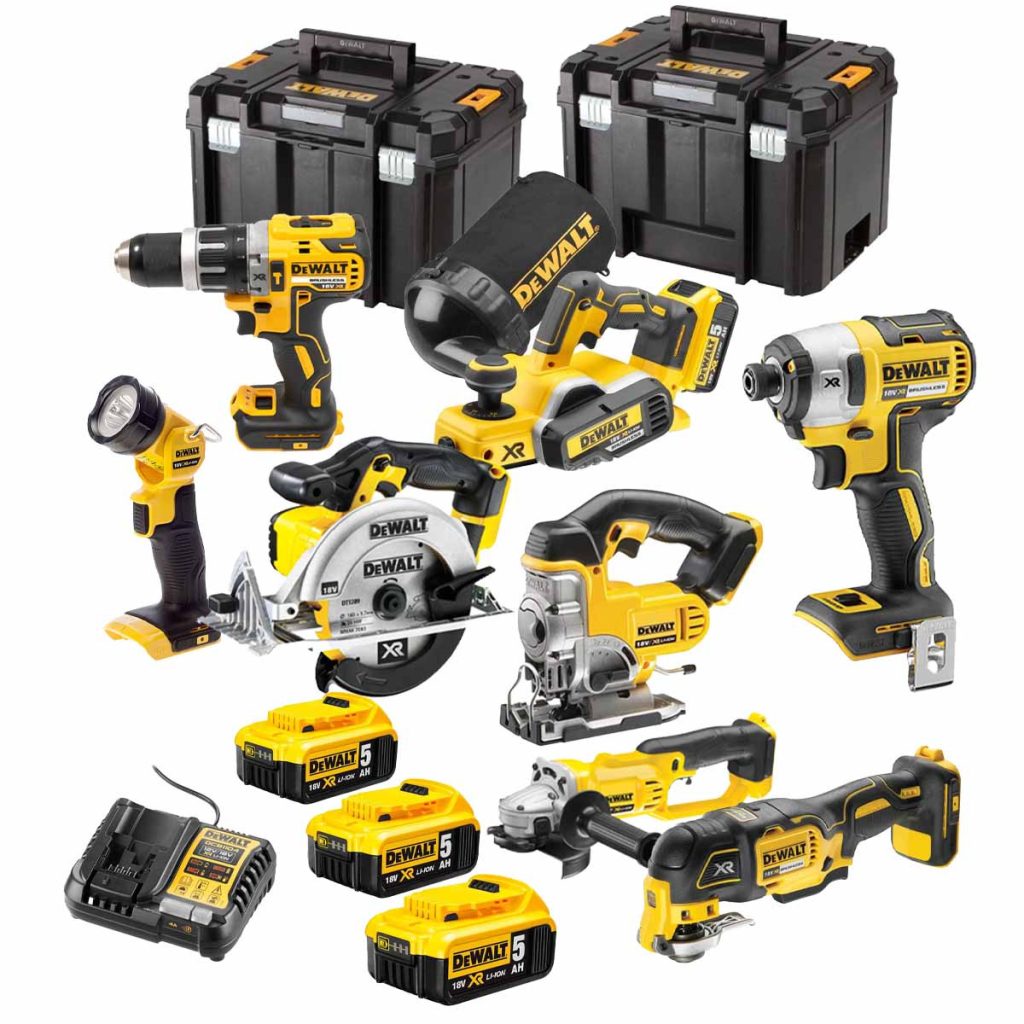
Once you match the voltage, torque, motor type and accessories to your needs, an impact driver quickly becomes one of the most used tools in your kit. If you are ready to upgrade your setup, explore the full range of impact drivers at Toolden along with impact sockets, bits and batteries, and build a cordless system that will handle everything from weekend DIY to full time site work.
Shop the full range!
Need some help with your order? Our new help centre has a wide range of helpful articles and guides!
If you have any additional queries, please do not hesitate to contact us below: