
Types of Welding Equipment Explained
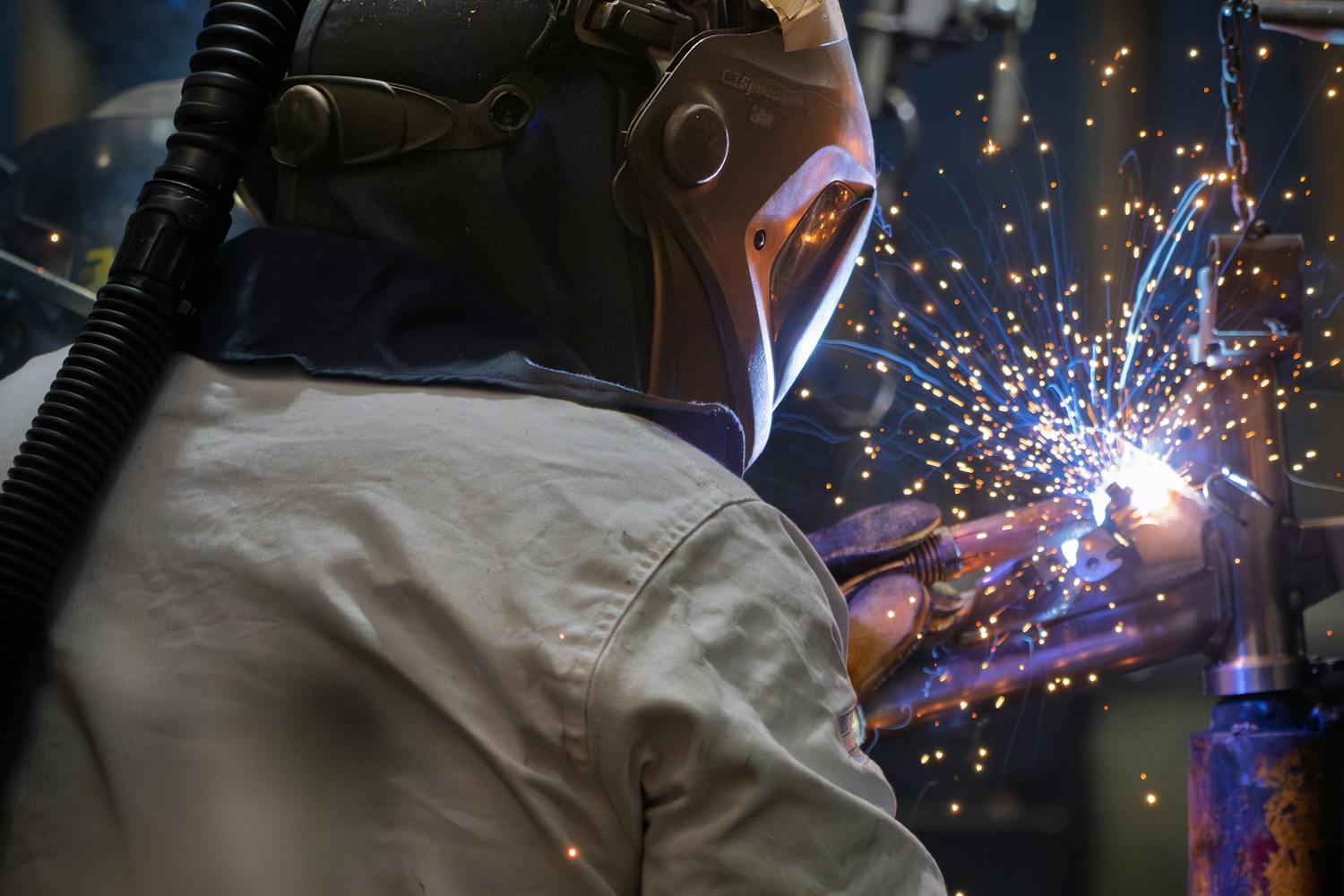
Welding sounds simple at first. You heat up the metal to create a molten pool and let it cool into one joint. However, on real jobs, though, the result depends heavily on choosing the right process, machine, and supporting kit.
For both trade professionals & DIYers, choosing the incorrect equipment can affect speed, finish quality and how reliably you can get through the day. If you are comparing welding equipment, the smartest place to begin is with the metal you are joining, the thickness you are working with, and whether the job will happen indoors or out. That is also the simplest answer to how to choose a welder.
A tidy stainless handrail, a patch repair on a car sill, a farm gate repair in the wind, and a heavy fabrication job in a workshop all ask for very different things from the welder. The best welding machines UK buyers choose are the ones that match the process to the job, fit the working environment, and use consumables you can source easily when you need to keep moving. The choice becomes far less confusing once you understand the core processes.
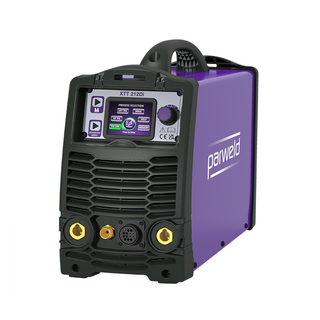
Shop Welding
Understanding the Core Welding Processes
The three core arc-welding processes are: MIG, TIG, and MMA; these all use an electric arc to generate the heat needed to fuse metal. The three processes are different in how filler metal is added and how the weld pool contamination is prevented. These differences can affect speed, portability, finish quality, learning curve, and how forgiving the setup is when conditions are less than perfect.
A process that feels easy and productive in a clean workshop matters a lot to buyers. Equally, a machine that is brilliant for heavier steel might be the wrong answer for thin sheet or visible stainless work. If you are choosing between the types of welders, you should ask yourself the following questions: how neat does the finish need to be, how mobile does the machine need to be, and how controlled are the conditions where you will use it?
So what is the correct choice? MIG is usually the all-round workshop favourite, TIG is the best option for cleaner and more refined work, and MMA is a good choice for tougher site conditions and heavier repairs. There are other specialist tools that support the wider workflow, particularly cutting and body-repair equipment.
MIG Welding (Gas Metal Arc Welding) – the Go-to for Speed and Ease
MIG welding is usually the default recommendation. It feeds a wire electrode continuously, which creates the arc and adds filler at the same time. That constant feed is what makes it fast. You can run longer welds with fewer stops, so it suits fabrication and general repair work.
It’s popular because it’s easy to pick up and reliable once set up properly. You can get clean, consistent results on mild steel and other common materials without a steep learning curve. For gates, brackets, box section, exhausts, and general workshop jobs, it gives a solid mix of speed, ease, and finish.
It also works well as a starting point. Beginners can get usable results fairly quickly, but it doesn’t become limiting as skills improve. The same process can handle basic DIY work and more precise fabrication, which is why it’s so widely used.
Where buyers often pause is over shielding. Standard gas MIG uses a shielding gas, usually argon or a mixed gas, to protect the weld pool and improve weld cleanliness. Gasless MIG uses flux-cored wire, which creates its own shielding as it burns. Gas-shielded MIG is cleaner and smoother, making it useful for indoor workshop conditions and jobs where appearance matters. Gasless MIG can be more practical when portability matters or when a gas bottle is inconvenient. If you want to dig deeper into the pros and cons, Toolden’s guide to gas vs gasless MIG welders is a strong next read, and the roundup of MIG welders from beginner to advanced is useful when you are comparing likely machine types and user levels.
There is also the question of machine design. Traditional MIG transformer welders are known for straightforward, robust performance, especially in fixed workshop environments where weight is less of a concern. On the other hand, MIG arc inverter welders are generally lighter, easier to move, and often give superior control. If you are moving from bay to bay, working mobile, or simply want a more compact setup, inverter-based machines are often the more practical choice.
However, MIG is not perfect. It prefers reasonably clean material, controlled conditions, and a sensible setup. Wind can interfere with gas shielding, contaminated steel can create poor weld quality, and rushed prep will show up quickly in the finished result. So while MIG is often the first machine people buy, it is at its best when the job is prepared properly and the environment is reasonably stable.
Overall, if your work is mainly indoors, centred on mild steel, and you want a process that is productive without being overly demanding to learn, MIG is the most sensible starting point for many buyers. It is the process that covers the broadest range of common fabrication and repair work without forcing you into the slower, more technical discipline of TIG or the heavier-duty, less cosmetic nature of MMA.
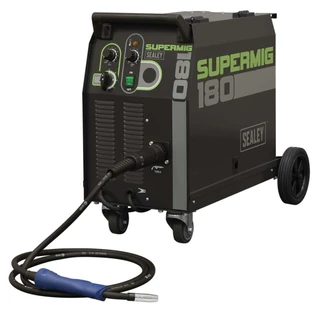
Shop MIG Welders
TIG Welding (Gas Tungsten Arc Welding) – Precision for Specialist Metals
TIG welding is basically the opposite of MIG. It uses a tungsten electrode that doesn’t melt, with an inert gas like argon shielding the weld. You add filler by hand, which gives you direct control over the weld pool and heat.
It’s slower and takes more skill, but the control is the payoff. You can handle thin edges without blowing through them and leave a clean, tidy bead with almost no spatter. That’s why it’s common for stainless, food-grade work, decorative pieces, or anything where the weld is visible.
TIG is about control, not speed. You’re managing the torch, arc, travel, and often a filler rod at the same time. It’s more demanding than MIG, but it lets you produce cleaner, more precise results.
This matters even more on thin or visible material. MIG can put filler down quickly, but that speed can cause distortion or burn-through if you’re not careful. TIG slows things down, which is often what keeps the work intact.
Aluminium is a good example. It needs clean prep, steady technique, and good arc control. Not every TIG machine handles it well, so it’s worth checking the spec if that’s part of your work.
The downside is speed and ease. TIG is slower, less forgiving, and shows up poor prep straight away. It’s not ideal if you just want to get through heavy steel jobs quickly.
But if you care about how the weld looks as well as how it holds, TIG is usually the better choice.
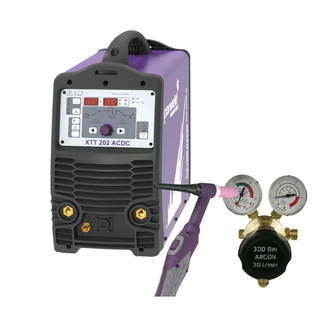
Shop TIG Welders
Shielded Metal Arc Welding (Stick / MMA Welding) – Power for Site and Outdoor Work
MMA welding, or stick welding, is built for tougher conditions. It uses a flux-coated electrode to create the arc. As it burns, the flux forms its own shielding gas and slag, protecting the weld without any external gas.
That’s the main advantage. No gas bottle means wind isn’t much of an issue, which makes MMA far more reliable outdoors than MIG. It suits jobs like gate repairs, farm work, structural steel, or anything on site where conditions aren’t controlled.
This is why it’s still widely used, especially in places with unpredictable weather. Gas-shielded processes can struggle in the wind or become awkward when you’re moving equipment around. MMA avoids that. It’s not the neatest process, but it works when conditions are against you.
Modern MMA inverters have made the process even more attractive because they bring portability and efficiency into the picture. Arc inverter welders are lighter and easier to carry than older transformer units. That matters if you’re moving between jobs rather than working in one fixed spot. For site work, maintenance, and general repairs, portability isn’t a bonus, it’s part of the job.
MMA also handles thicker steel and rougher material better than TIG or MIG. Prep still helps, but it’s more forgiving with surface rust, scale, and general site conditions. That makes it a solid choice for things like plant repairs, brackets, structural steel, gates, trailers, and farm equipment.
The trade-off is finish. MMA isn’t clean or precise. You get slag, so there’s always chipping and brushing after. It’s also not suited to thin sheet or visible work where control and appearance matter more than strength.
If the job is outdoors, heavy-duty, or unpredictable, MMA is usually the right call. It’s one of the most practical options when you’re working outside a clean workshop and need something that just gets the job done.
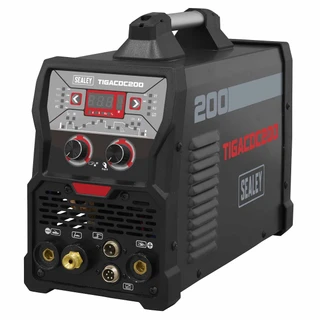
Shop MMA Welders
Plasma Cutting and Specialist Tools
Most weld quality comes down to prep. Clean cuts, good fit-up, and removing rust or contamination make a bigger difference than the welding process itself. That’s why it’s not just about the welder. Cutting tools and repair equipment are part of the same workflow.
Plasma cutters are useful here. They use an arc and high-speed gas to create a focused plasma jet that cuts through metal quickly and cleanly. In practice, that means faster prep, neater cuts, and less time fixing rough edges before welding. Whether you’re fabricating parts or cutting out damaged sections, better prep leads to better results.
Some jobs also need more specialised tools. Spot welding isn’t the same as MIG, TIG, or MMA. It joins overlapping sheet metal by applying pressure and current to a small area, creating a fused spot. It’s widely used in automotive work where thin panels need controlled heat and minimal distortion.
This is exactly where spot and stud welders come into their own. In body repair and restoration, they’re not optional extras. Spot welders help recreate factory joins on panels, while stud welders are used for dent pulling and panel work. If you’re working on vehicle bodies or thin sheet metal, they make the job more controlled and consistent.
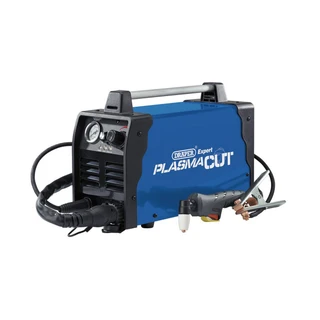
Shop Plasma Cutters
Essential Welding Accessories for Safety and Performance
The welder gets the attention, but it’s only part of the setup. A lot of poor welds come down to basics: wrong wire, worn tips, bad gas flow, a weak earth, contaminated tungsten, or missing PPE. When the setup is off, even a good machine will perform badly.
Accessories matter more than people expect. Start with protection. A proper helmet, decent gloves, flame-resistant clothing, eye protection for grinding, and suitable respiratory cover are the minimum. Arc flash, fumes, sparks, and debris are part of the process whether you’re working daily or occasionally. For that reason alone, it is worth building out your kit from a proper range of welding accessories and PPE rather than treating safety as something to sort out later.
Consumables are what keep the process consistent. For MIG, that’s the right wire, tips, shrouds, liners, and a properly set gas supply. For TIG, it’s the correct tungsten, cups, collets, filler rods, and clean gas flow. For MMA, it’s choosing the right electrodes and making sure leads and clamps are in good condition. Even a high-end machine will struggle if the consumables are wrong or worn out.
Basic maintenance makes a difference. Keep wire dry and clean. Check the torch regularly. Swap out tips before they start causing feed issues. Look over cables, leads, and the earth clamp for damage. Set gas flow properly instead of guessing. Small checks like these prevent bigger problems later. Clean the machine and keep metal dust out of places it should not be. If MIG is a regular part of your setup, Toolden’s guide to MIG welder maintenance tips is worth a look because the small routines are often what keep a machine dependable over time.
Accessories aren’t just the parts in the torch. Clamps, magnets, chipping hammers, brushes, anti-spatter, work tables, and fume control all affect the result. When things go right, it’s usually because all of that is set up properly.
Good welding isn’t just about settings. It comes down to prep, safety, consistency, and having a setup that works without getting in the way.
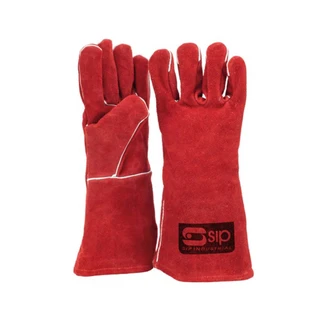
Shop Welding Accessories
Comparing Welding Processes at a Glance
| Process | Best For | Skill Level | Ideal Environment |
|---|---|---|---|
| MIG | General fabrication, auto repair | Beginner to Pro | Indoors / Controlled |
| TIG | Thin metals, architectural work | Advanced | Indoors |
| MMA (Stick) | Heavy steel, farming, construction | Intermediate | Outdoors / All-weather |
There is no universally best process, only the best fit. MIG is usually the strongest all-round option for fast workshop jobs and general fabrication. TIG is the precision choice when finish quality, thin materials, or specialist metals matter. MMA is the durable outdoor answer for heavier steel and site conditions that would cause problems for gas-shielded processes.
So how to choose a welder in real terms? Start with the material, thickness, finish, and environment. If your work is mainly indoor fabrication or vehicle repair, MIG is often the most sensible first purchase. If you care most about neat visible welds, stainless work, or aluminium, TIG is worth the extra skill and slower pace. If your work happens outdoors or on site, MMA usually makes more practical sense. That is why the best welding machines UK users invest in are chosen by process fit, not by headline spec alone.
FAQs
Q: What is the difference between an inverter and a transformer welder?
An inverter welder uses modern electronics, so it’s lighter, more efficient, and easier to control. A transformer welder is heavier and simpler, but still reliable, especially for fixed workshop use.
Q: Can I use an MMA welder outdoors in Ireland or the UK?
Yes. MMA works well outdoors because the electrode creates its own shielding, so wind has less impact than with gas MIG. You still need proper electrical safety and awareness of conditions.
Q: Do I always need shielding gas for MIG welding?
No. Standard MIG uses gas, but gasless MIG uses flux-cored wire that creates its own shielding. The right choice depends on finish, location, and exposure to wind.
Q: What is spot welding and when is it used?
Spot welding joins overlapping sheet metal using pressure and current at specific points. It’s common in automotive work where you need fast, repeatable joins with controlled heat.
Need some help with your order? Our new help centre has a wide range of helpful articles and guides!
If you have any additional queries, please do not hesitate to contact us below: